On the Arts et Métiers campus Arts et Métiers Bordeaux-Talence, a unique project brings together engineering students, teacher-researchers, and industrialists around a common challenge: reinventing the end of life of aircraft in a spirit of sustainability and circular economy. Combining the campus's two areas of expertise—aeronautical and space engineering and sustainable environmental transition engineering—this project is much more than an academic exercise; it is a field of innovation, experimentation, and transformation for these future engineers.
Aircraft dismantling: an educational tool and playground for tomorrow's engineers
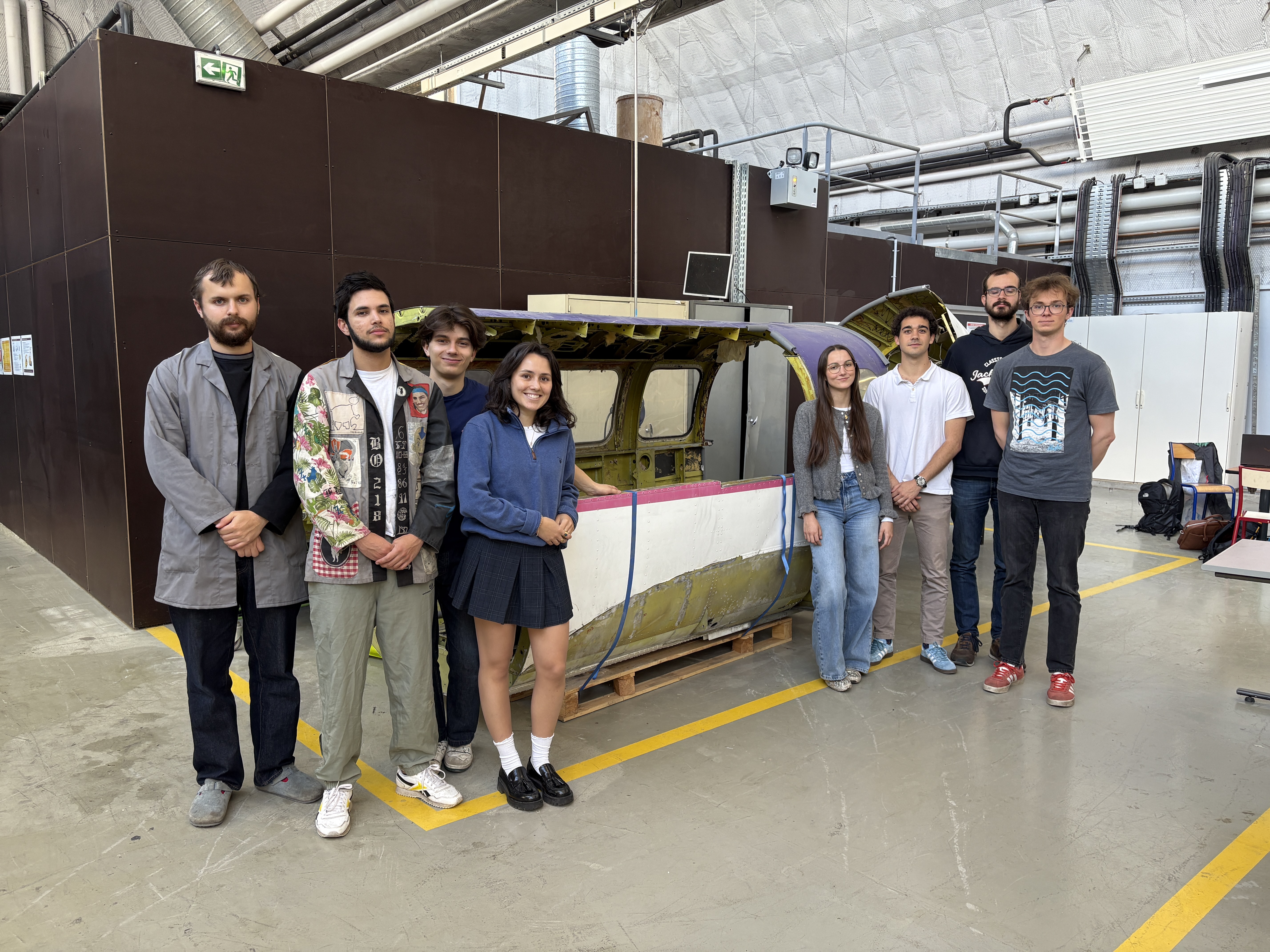
As part of their curriculum, second- and third-year students in the Grande Ecole Engineering Programme at the Arts et Métiers campus Arts et Métiers Bordeaux-Talence are participating in an aircraft dismantling project in direct collaboration with the startup AC Dismantling. This partnership offers a unique learning experience: working on a real, full-scale aircraft while incorporating cutting-edge technologies such as augmented reality and 3D modeling.
"We have a blast taking the plane apart because we're working with something tangible. It's rare to be able to work on such a technical and real-world object during your studies,"says Erwan, a third-year student.
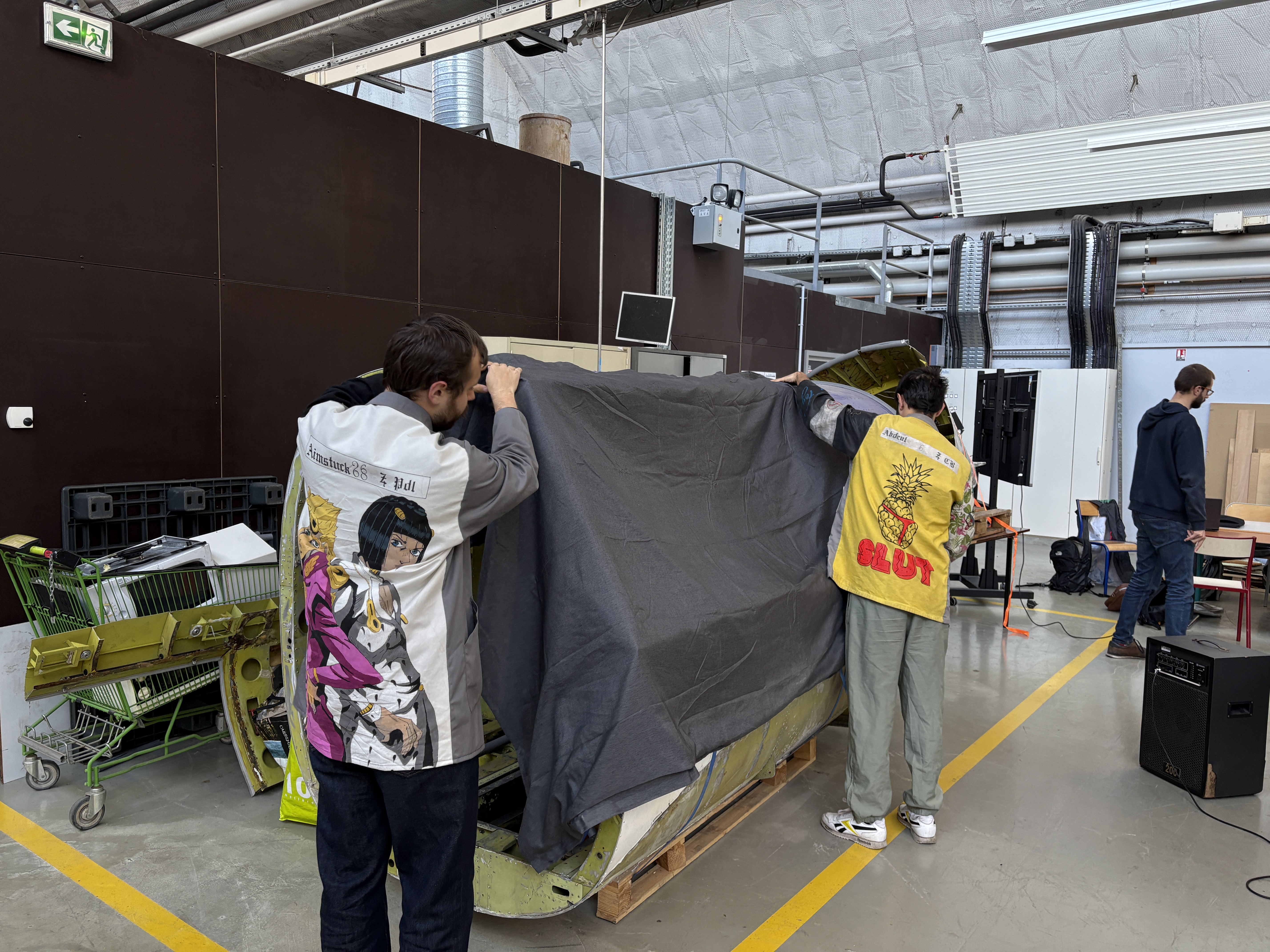
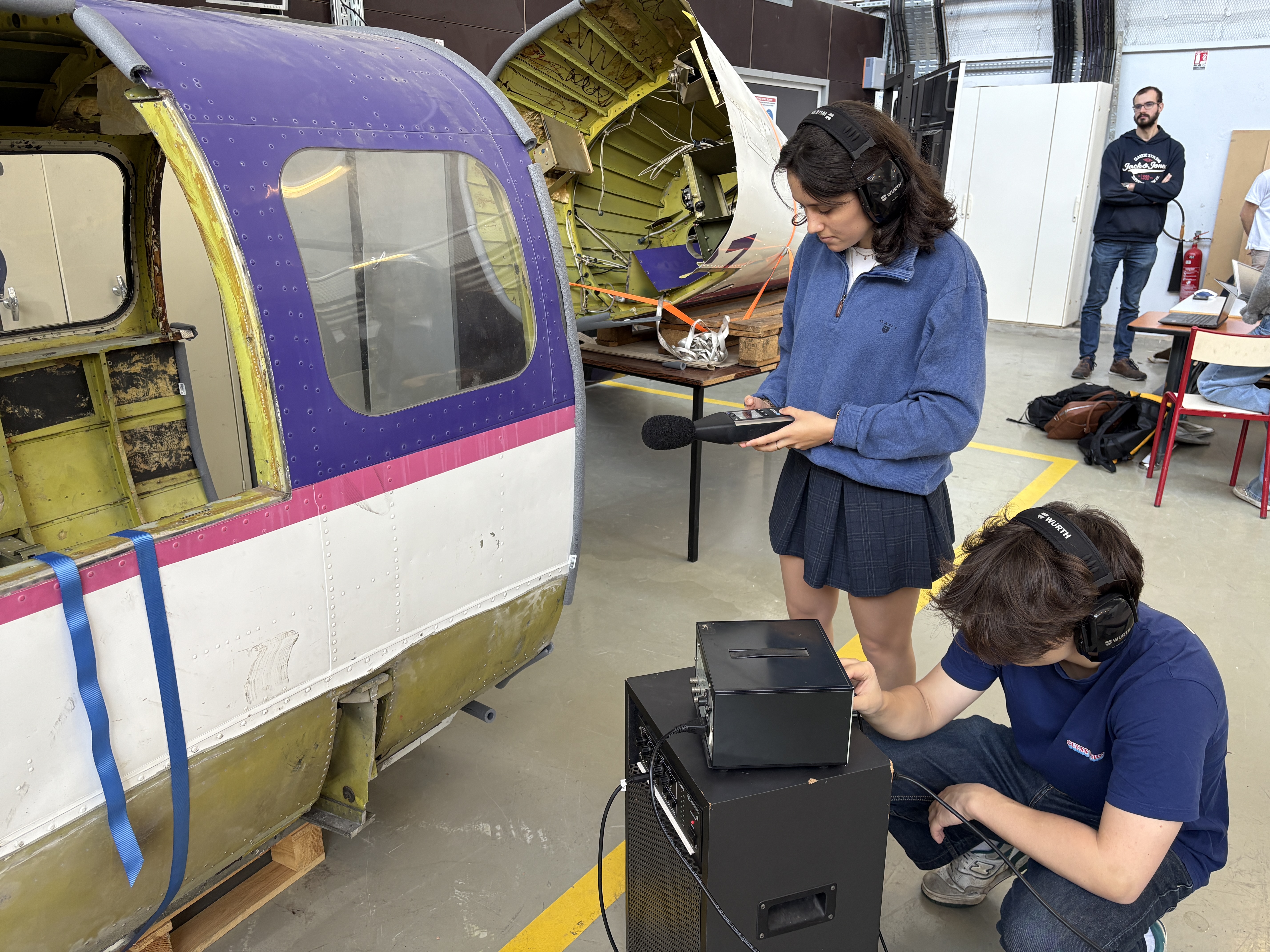
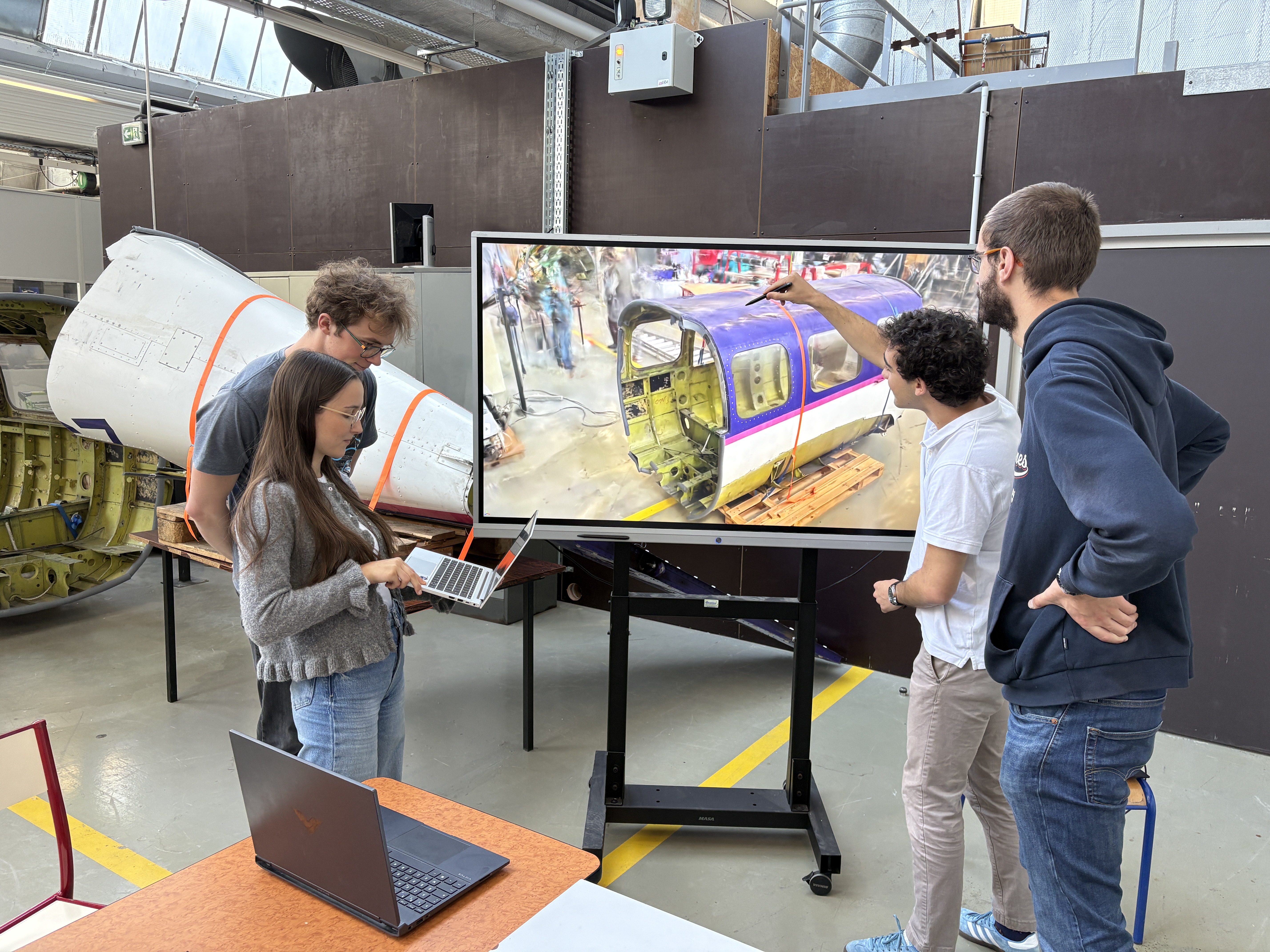
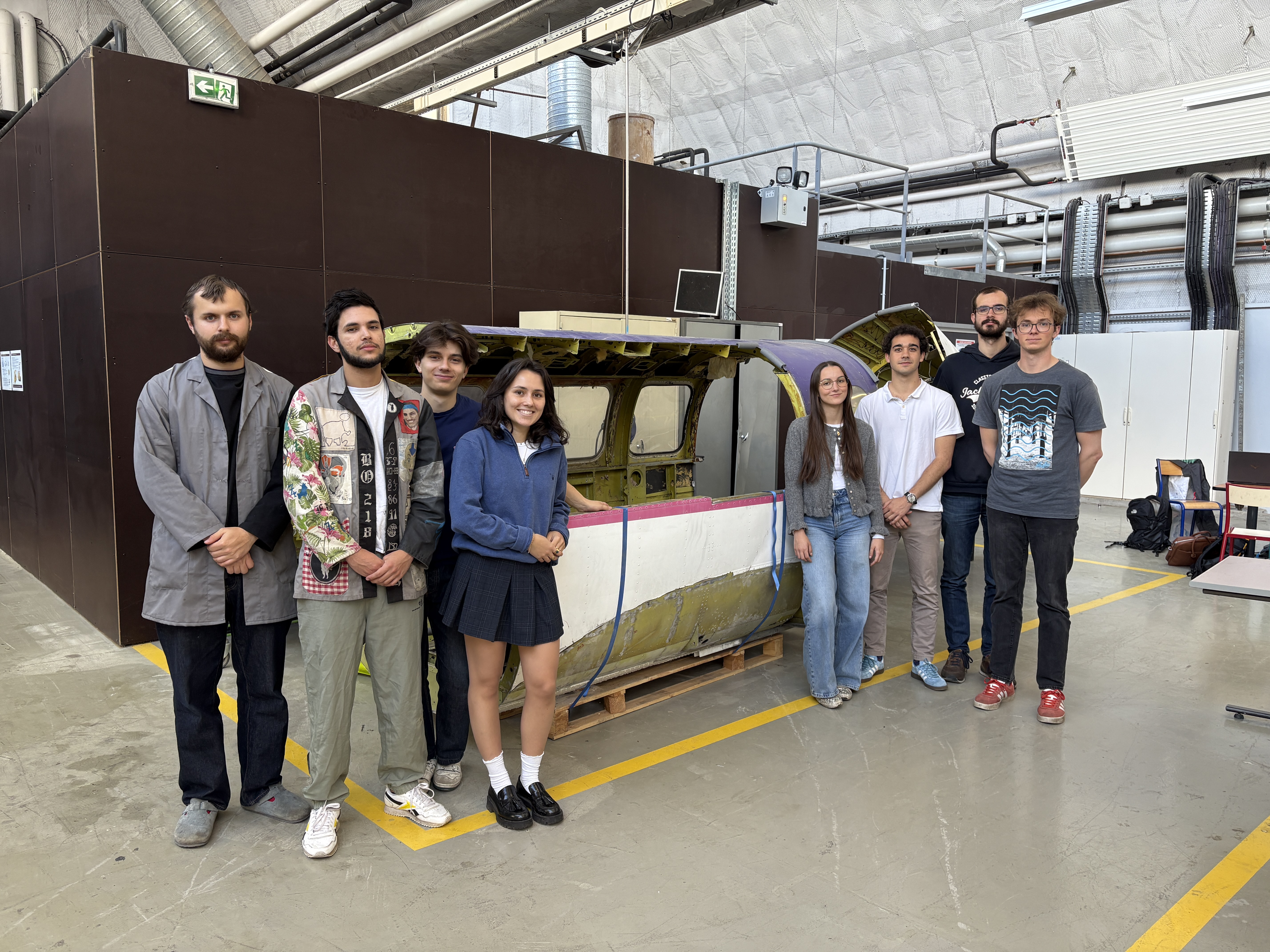
Under the supervision of Nicolas Perry, Arts et Métiers professor Arts et Métiers researcher at the Bordeaux Institute of Mechanics and Engineering (I2M / Arts et Métiers, University of Bordeaux, CNRS, Bordeaux INP, Inrae), engineering students are designing solutions to optimize dismantling, identify risk areas, and consider new uses for recovered materials.
"We are fortunate to be able to combine our two third-year specializations—aeronautics and sustainable development—in a joint project with a real industrial impact. Students understand industrial and environmental constraints while developing practical skills that will be useful for their future, " emphasizes Nicolas Perry.
Commitment and innovation for sustainable aviation
Founded in 2022, AC Dismantling specializes in recycling light, general, and business aircraft, both civil and military. The company, historically based in Mérignac, is opening its production site at Pau airport and aims to process up to 50 aircraft per year by 2030, with a 100% recycling target. Currently, around ten recycling companies for large aircraft such as commercial aviation offer their services, but none have yet specialized in smaller aircraft, as AC Dismantling does.
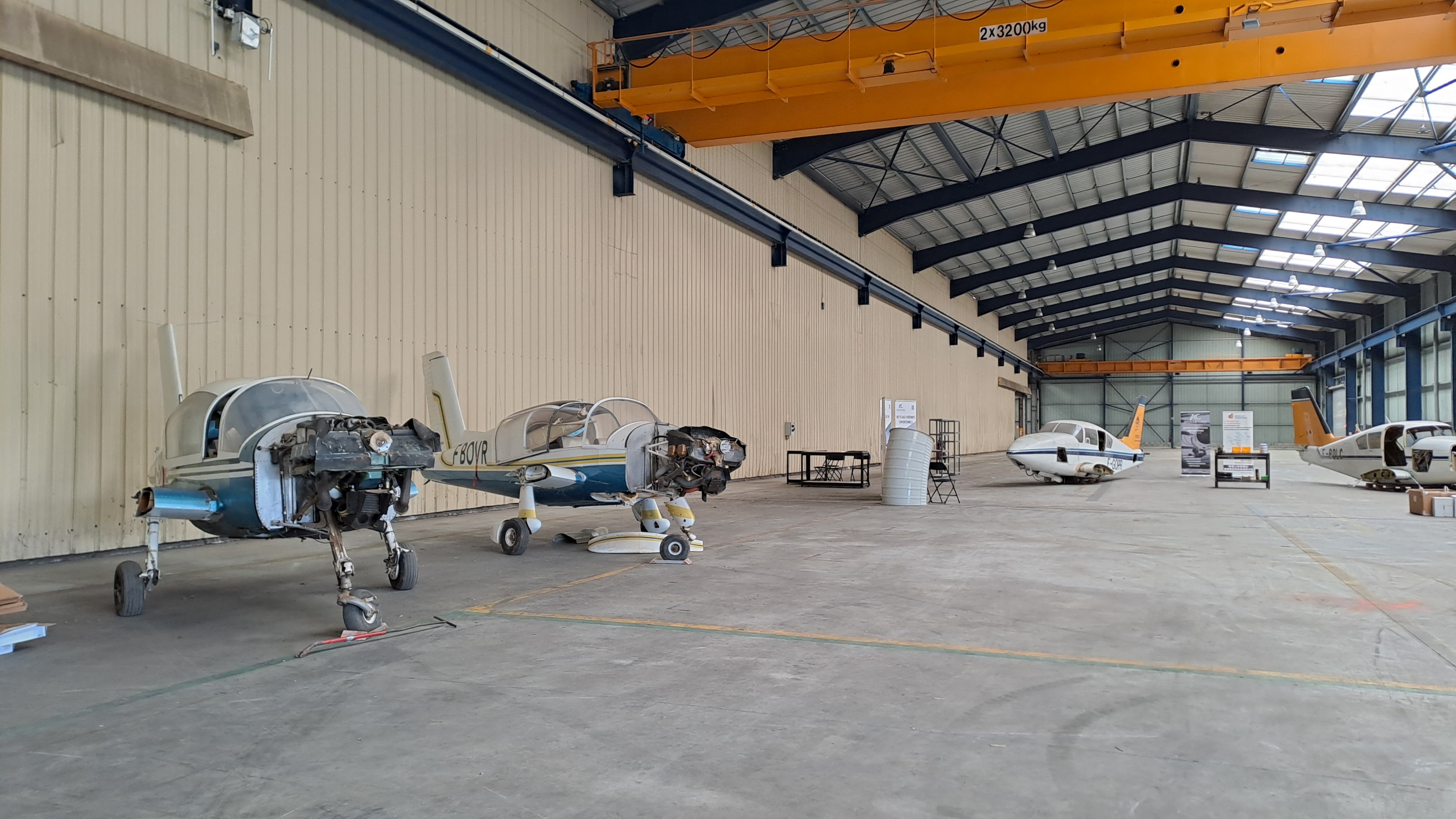
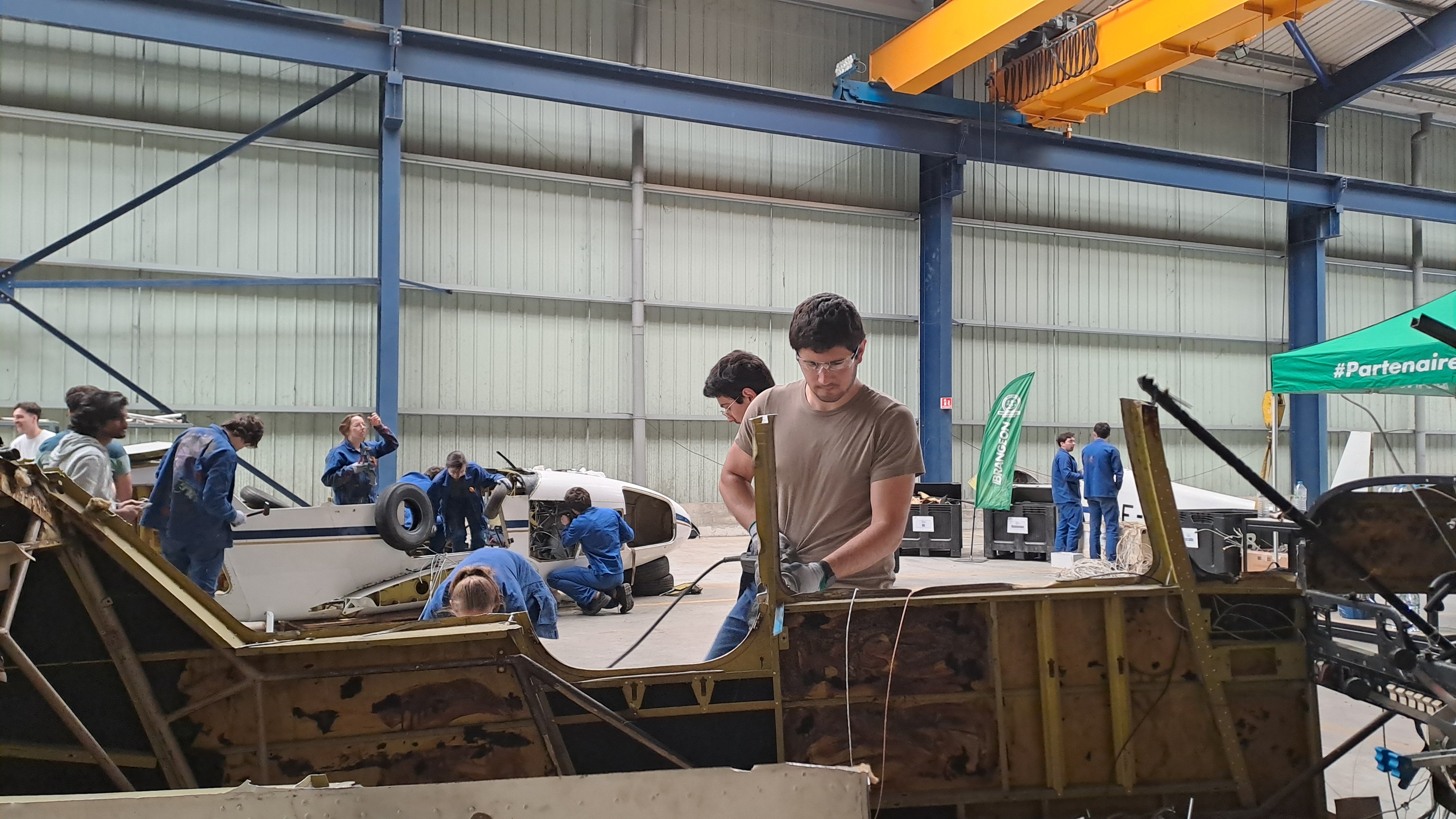
Educational initiative May 2024 - Theme week: "Technical, organizational, and economic challenges of the circular economy: a practical case study of aircraft dismantling"
This project with Arts et Métiers is part of a desire for co-construction: offering students real-world practical cases while exploring new recycling technologies.
"Today, we recycle 96% of an aircraft. To go further, we need to innovate, and that requires collective intelligence and collaboration with schools such as Arts et Métiers, Arts et Métiersexplains Anthony Charmarty, founder of AC Dismantling.
Among the student projects is the conversion of sections of fuselage into soundproof meeting rooms, a practical solution with potential for industrialization and promising commercial prospects for various types of companies, such as those in the automotive and shipbuilding industries. Another project involves the design of an augmented reality scanner that would make it easier for operators to dismantle aircraft.
A Europe-wide academic and research project
This project also has an international academic dimension thanks to collaboration with Delft University of Technology.University of Delft in the Netherlands and the Inria center at Université Côte d'Azur. Together , they are developing the Circularity 4.0 for Aerospace project. Funded by TU Delft-France Initiative, it aims to create digital tools for the reuse of aeronautical materials and structures.
"We develop algorithms to match the shape of available parts to potential new designs, so that we can create a cutting pattern and give them a second life," explains Jelle Joustra, a scientist at Delft University.
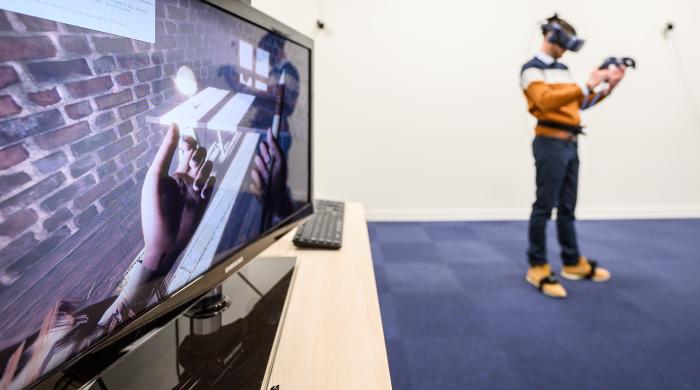
Thanks to the mixed reality technology available on the Bordeaux campus, students can virtually project the optimal cuts onto the aircraft, thereby facilitating the work of operators and improving recycling accuracy. This scientific project illustrates the campus's ability to address concrete industrial issues, while affirming its role as a platform for research and experimentation in dismantling and reuse technologies.
It also highlights the campus's strategy, which aims to turn environmental transition into an opportunity for training, research, and industrial innovation. Through this type of initiative, Arts et Métiers affirms its ability to train committed, operational engineers who are fully aware of the challenges of their time.