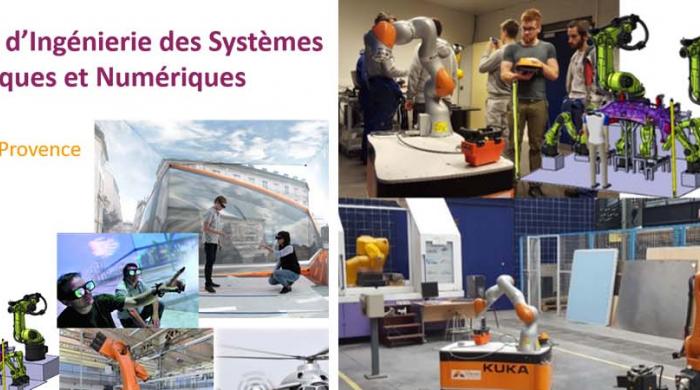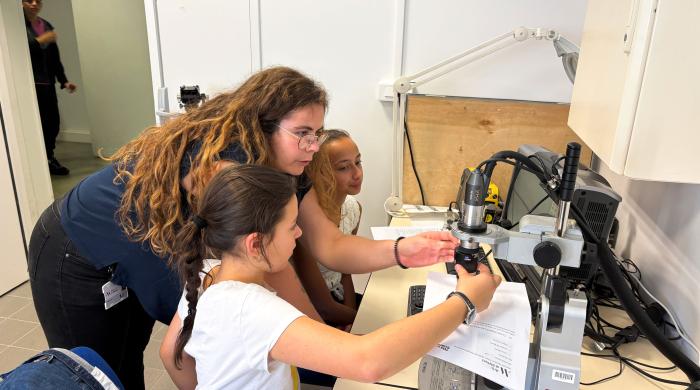
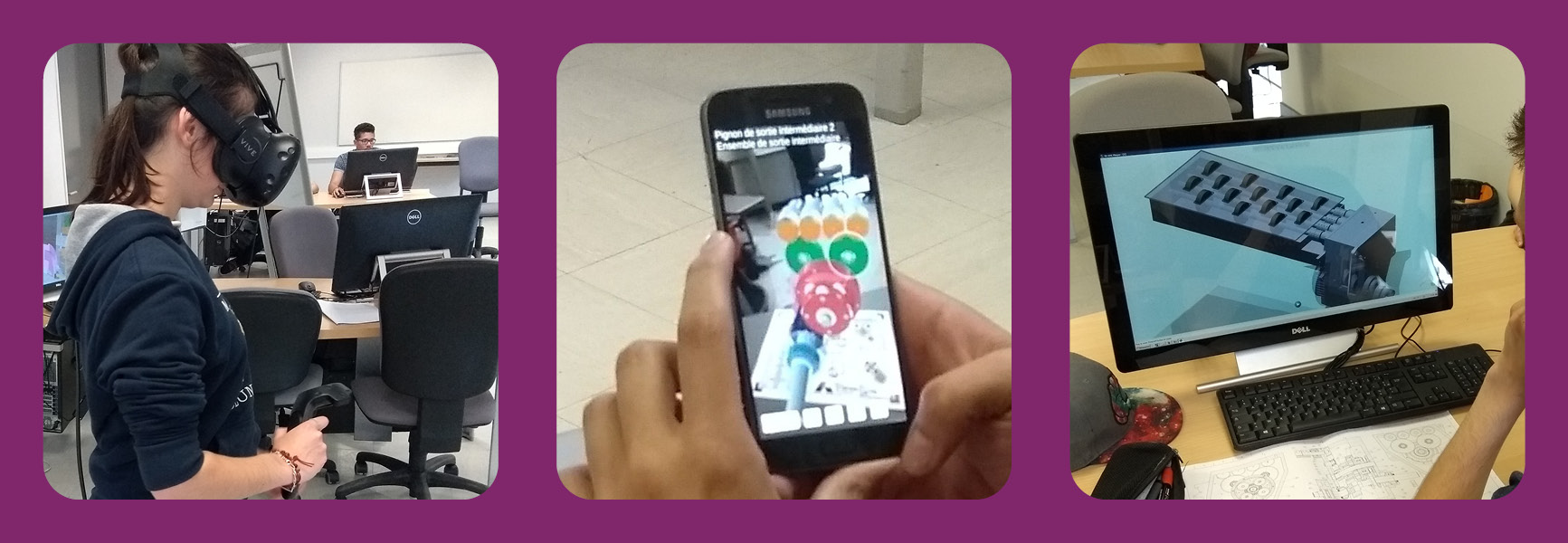
Florence Danglade, an associate professor of engineering sciences and a Ph.D. in mechanical design atLISPEN, conducts research on industry expectations regarding CAD tools, 3D models, and the use of virtual reality (VR) and augmented reality (AR) techniques from design through maintenance. She also trains students in Master of Science MTI3D Master of Science atthe Institut Arts et Métiers Chalon-sur-Saône in these techniques, with the goal of having them become ambassadors for these new practices among their future employers.
From business to education, participating in and communicating developments in virtualization tools
It is no coincidence that Florence Danglade chose to pursue this research study. In 1994, while working at Rapidex, she witnessed and participated in the transition from hand-drawn plans to 2D computer-aided design (CAD). She then trained in the transition from 2D CAD to 3D CAD. Florence then felt the need to pass on these techniques and entered the teaching profession in 2004, sharing her experience in the business world.
Towards the deployment of virtual and augmented reality in the Industry of the Future.
Then came the rise of virtual and augmented reality. Florence embraced these new technologies and decided to look beyond the hype that surrounded them in the business world and public opinion. Florence then launched a study on virtual reality for the Industry of the Future. The idea was to find out what manufacturers expected and remove the technological barriers to using these tools.
Indeed, augmented reality and virtual reality offer numerous advantages from design and manufacturing to maintenance, says Florence Danglade.
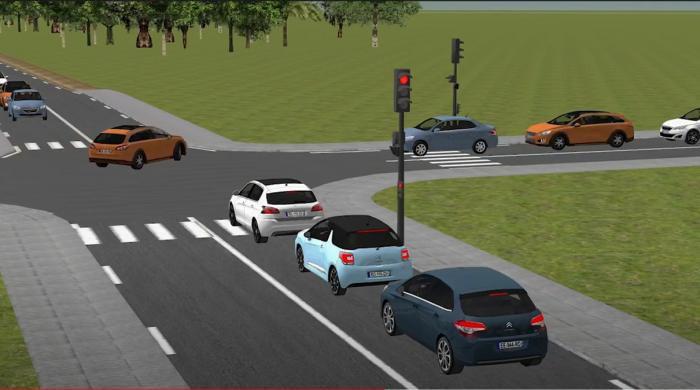
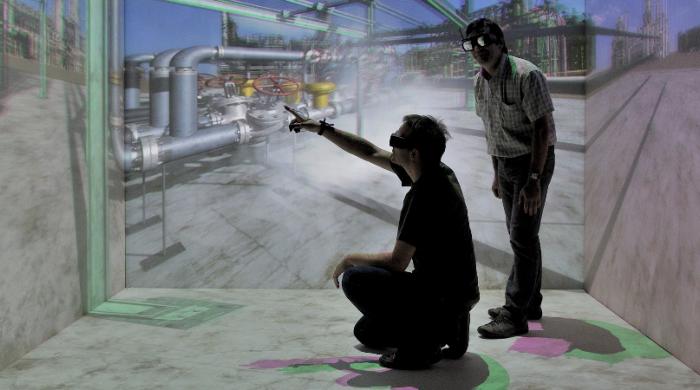
Virtual reality is used from the design stage onwards as part of project reviews. This technique saves design time by reducing errors and improving decision-making.
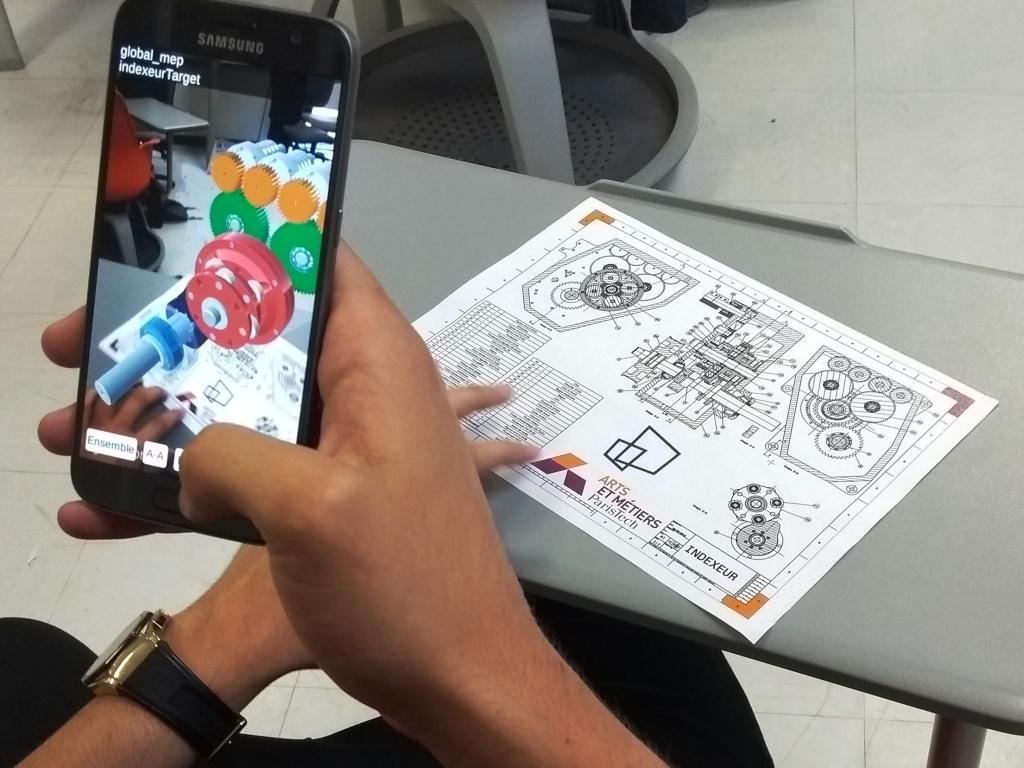
Augmented reality is an asset in manufacturing and maintenance because it serves two purposes. It allows for faster training and reduces the gap between beginners and more experienced workers. It assists operators in performing tasks by superimposing virtual information onto the real world at the right moment, thereby reducing errors.
Above all, potential users want these virtualization tools to offer real added value in terms of time savings and quality, explains Florence Danglade.
Arts et Métiers students act as ambassadors to remove barriers to the use of these new practices
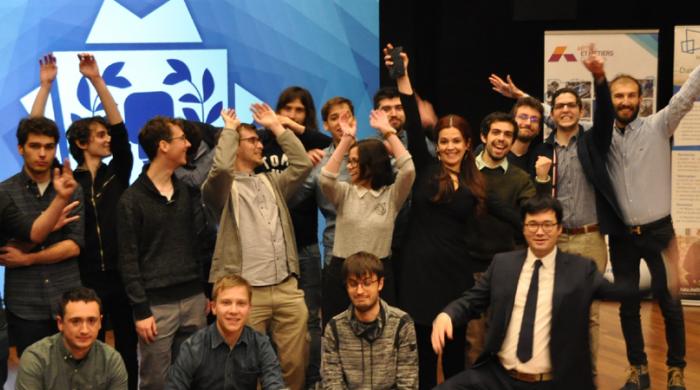
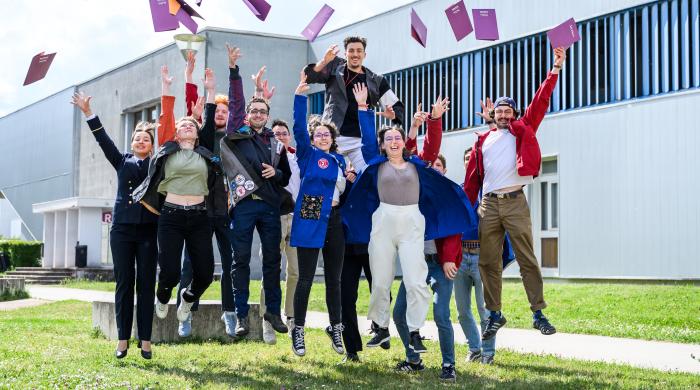
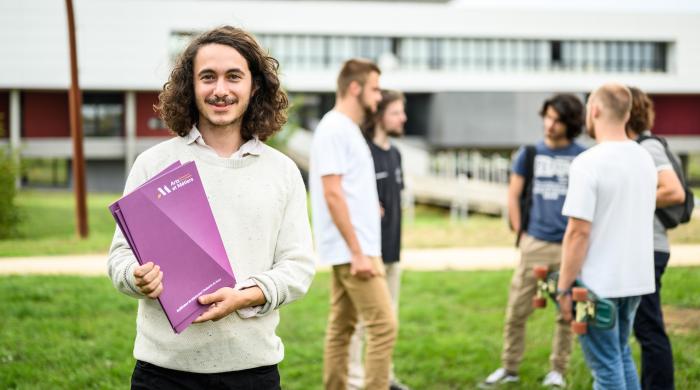
Florence teaches students in the MTI3D Master of Science program at the Institut Arts et Métiers Chalon-sur-Saône about the challenges surrounding AR and VR for the industry of the future.
Florence would like to extend this teaching to Arts et Métiers students Arts et Métiers the Grande École Program.