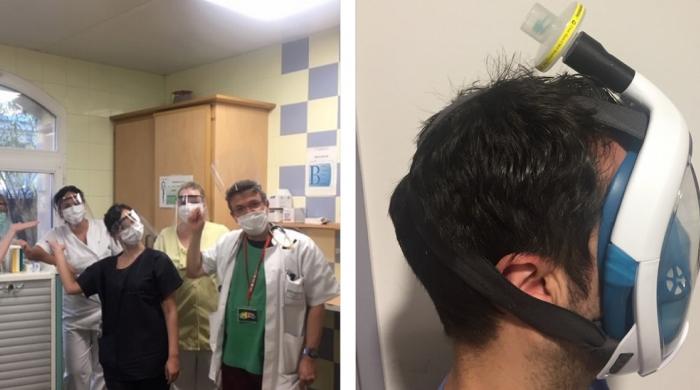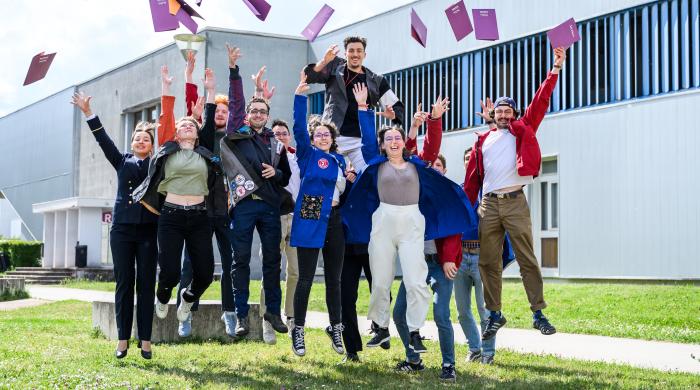
The Arts et Métiers campus Arts et Métiers is facing growing demand for protective visors in the context of the announced gradual lifting of lockdown restrictions. It was deemed necessary to increase production.
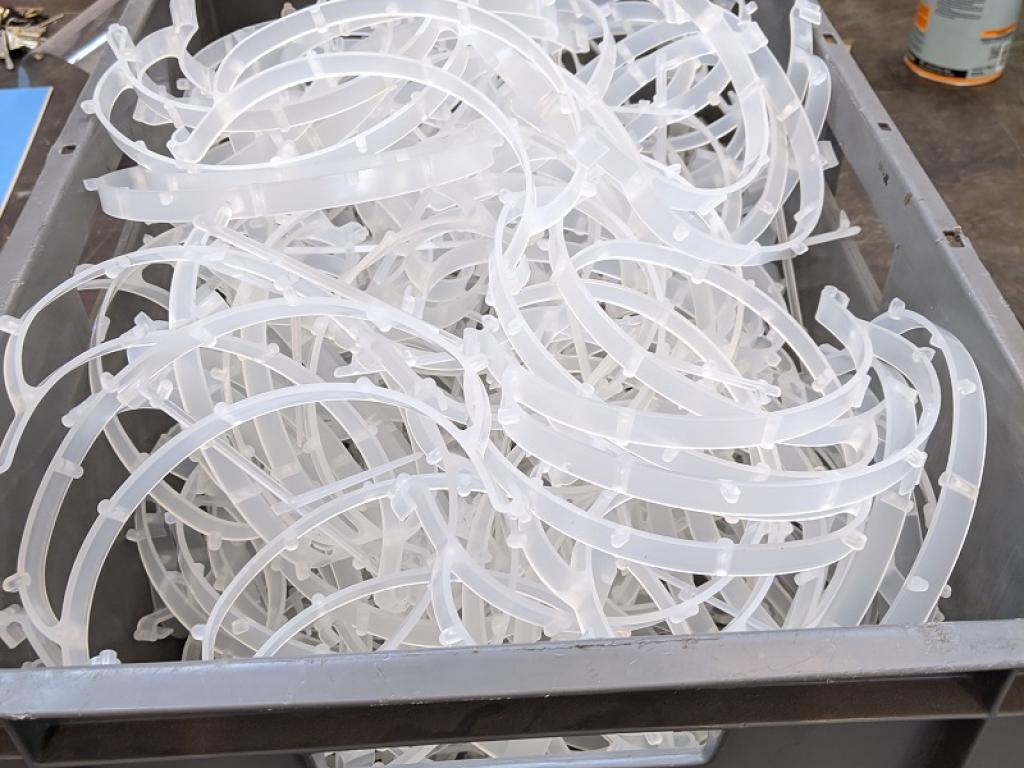
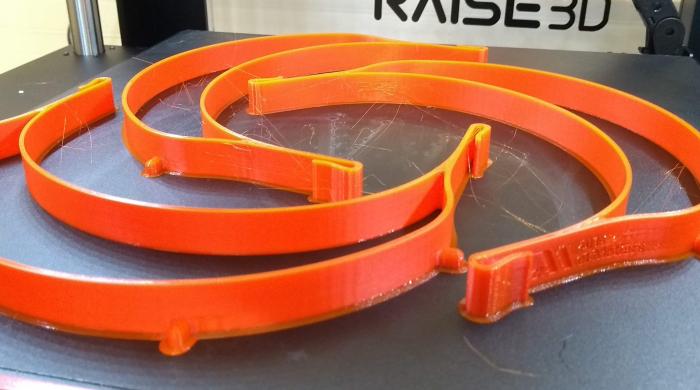
More than 30 times faster, plastic injection molding quickly became the preferred method over 3D printing.
A remarkable demonstration of successful collaborative work
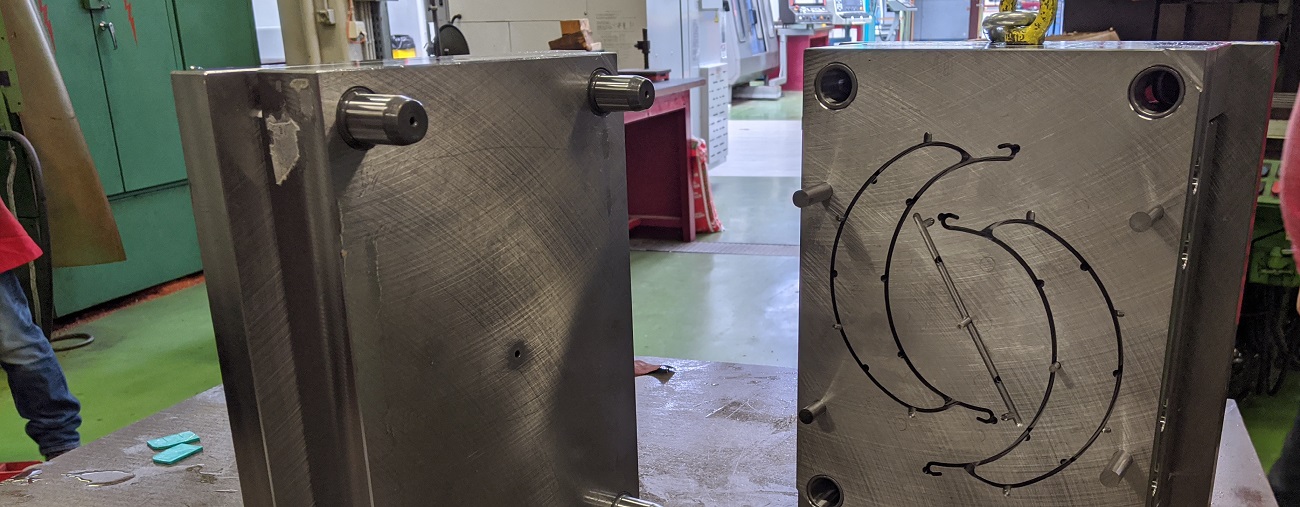
To respond to these requests, the Aix-en-Provence campus and the Jean Perrin high school in Marseille have pooled their expertise and technological resources to industrialize the manufacture of visor structures as quickly as possible: design and machining of the mold, automation of the production line.
"Collaborative action is always extraordinary. Our ability to mobilize, invest, and react remotely demonstrates that our choices are sound," say the two project partners in unison.
This spirit of solidarity and collaboration therefore reinforces the relevance of academic initiatives already underway.
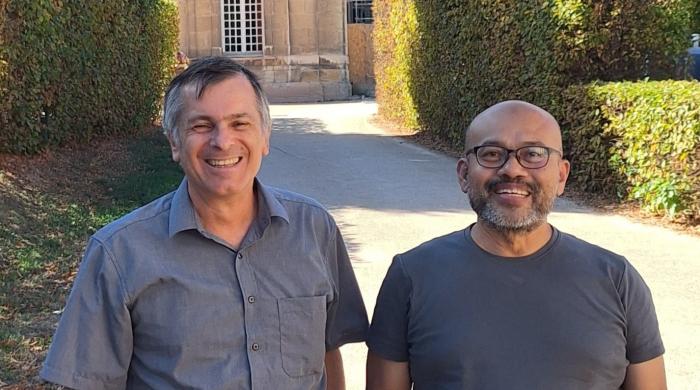
Ambitious educational innovation projects are being carried out as part of the Campus des Métiers et des Qualifications in the SUD region (PIA-PERF) already bring together Lionel Roucoules, director of the Lispen at the Arts et Métiers campus Arts et Métiers , and Joël Liaboeuf, Deputy Director of Vocational and Technological Training at the Lycée Jean Perrin.
Lionel Roucoules points out that " the future lies in new practices and new teaching tools to showcase the wealth of complementary skills of technicians and engineers within French industry."
Positive results: 15,000 visors in five days
To make this project a success, an enthusiastic team of six teachers and technicians from the campus and high school worked hard to optimize the production processes.
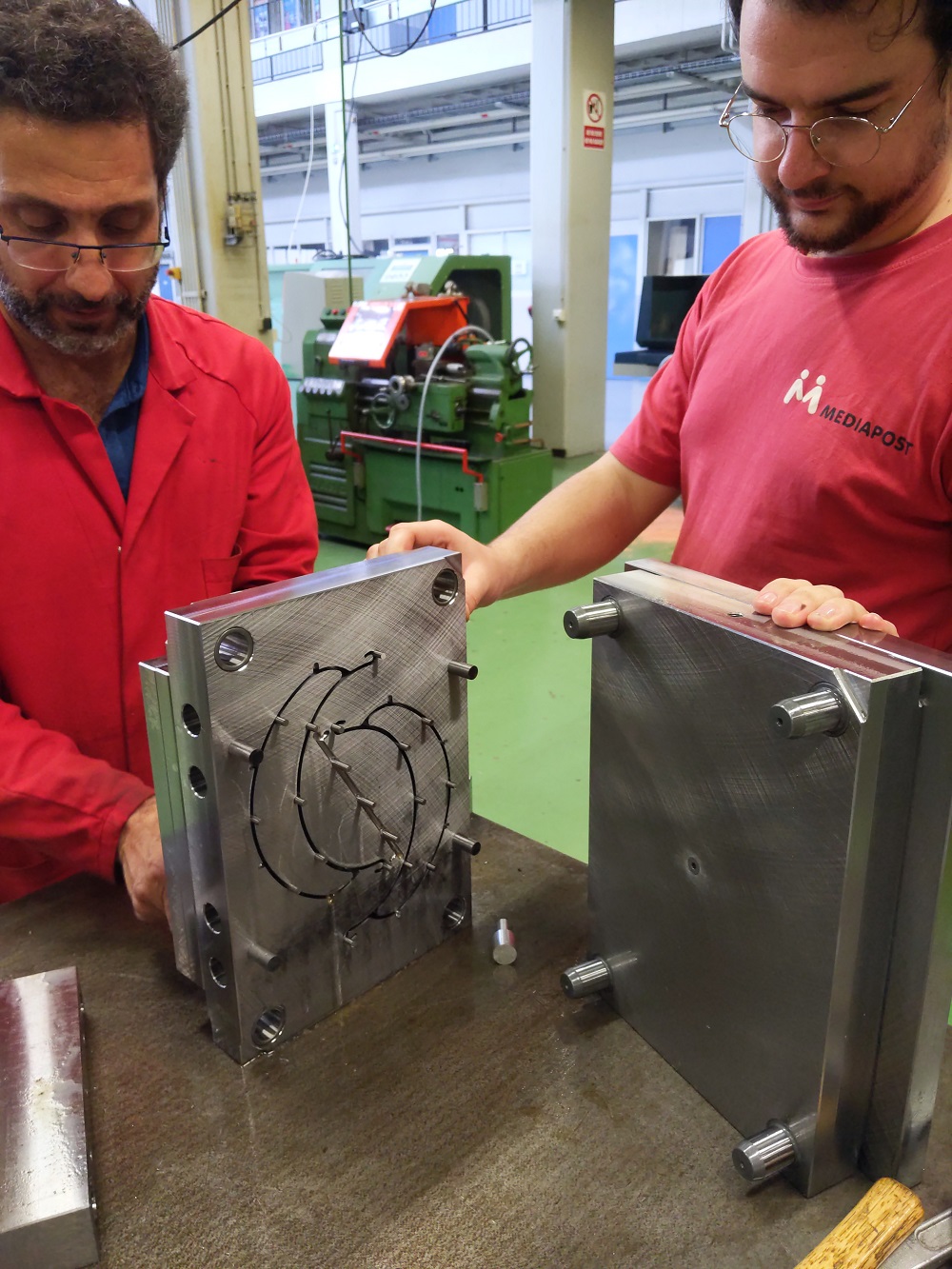
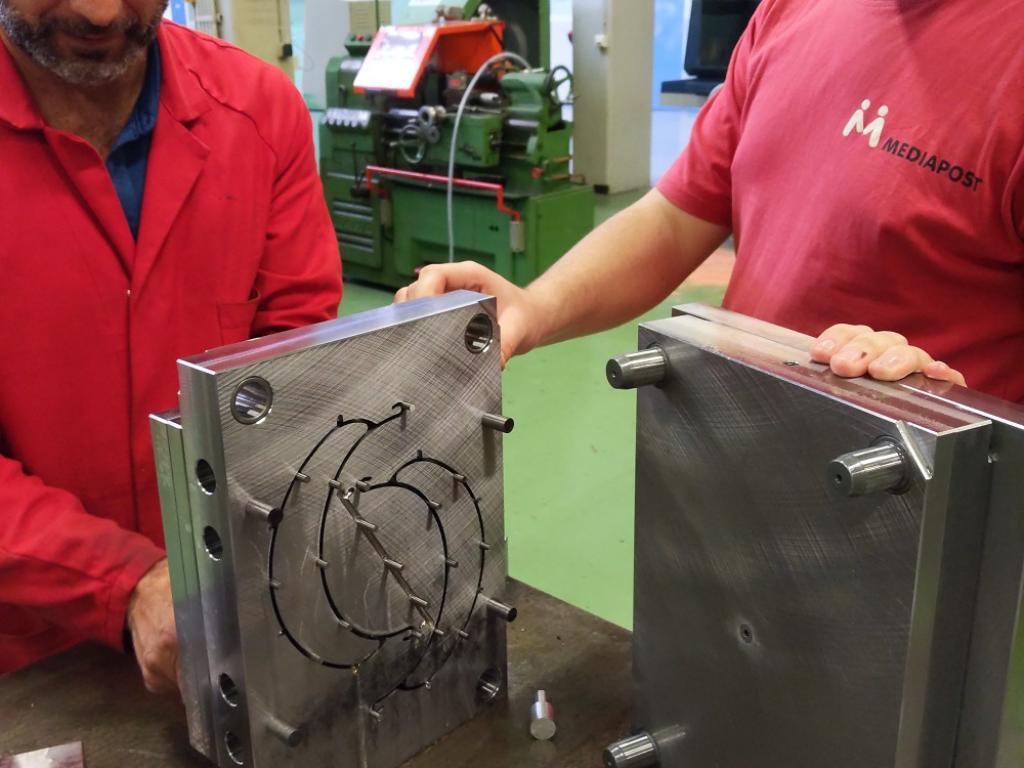
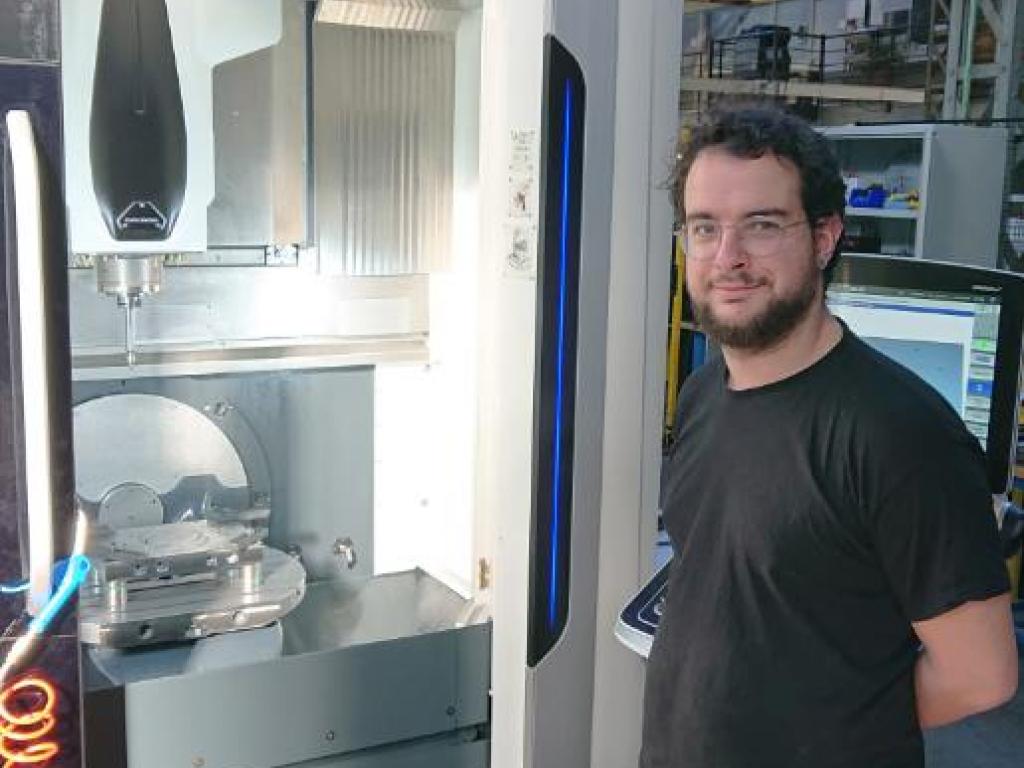
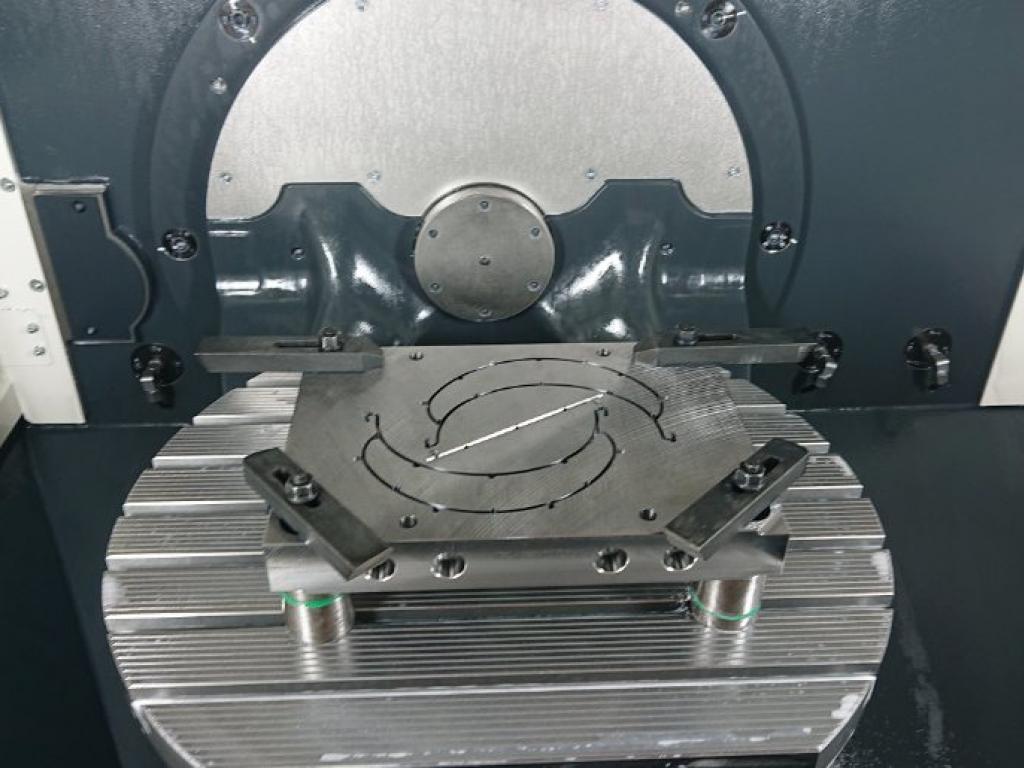
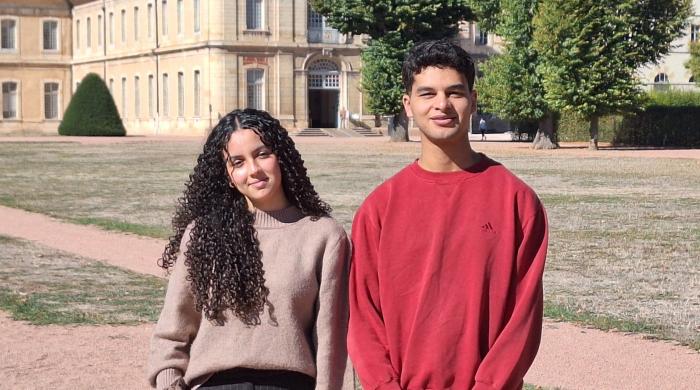
Alexandre Mira—a former student at Jean Perrin High School—and a machining technician on campus, manufactured the alloy steel mold and ejection plate. The brand new smartmanufacturing machining center acquired by the Lispen laboratory last February enabled it to machine the mold in just a few hours. The CAD model was designed by Gérard Malterre, a machining teacher at Jean Perrin High School, based on an initial design from the academic community and distributed via the S.mart scientific interest group (GIS).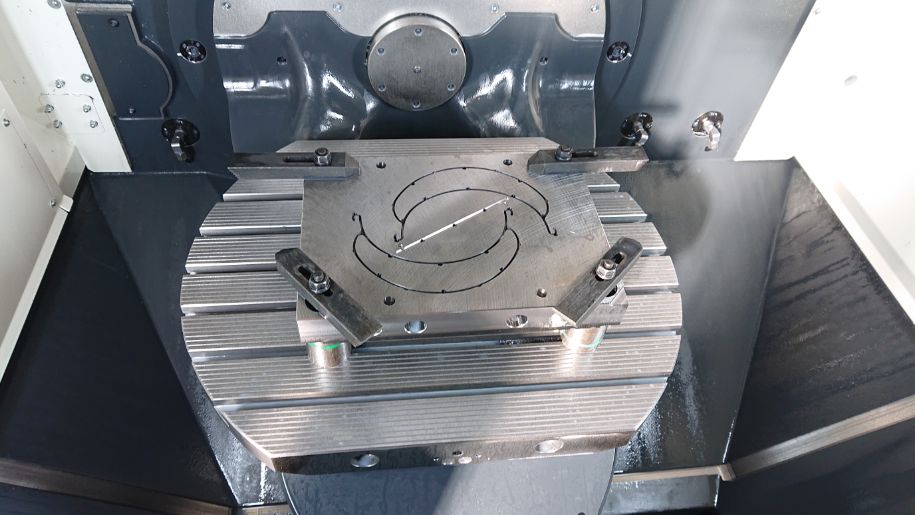
They worked together to optimize the basic model in order to:
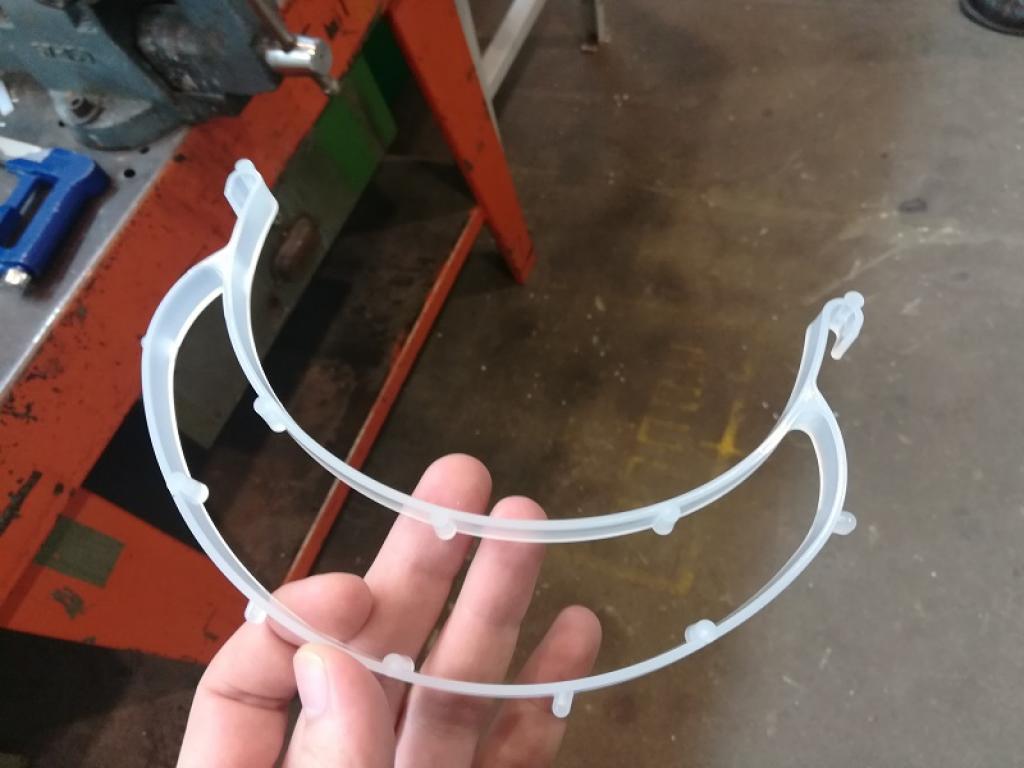
- increase production capacity (double mold tracing, automated injection core removal, adjustments and minor corrections to the mold on the press)
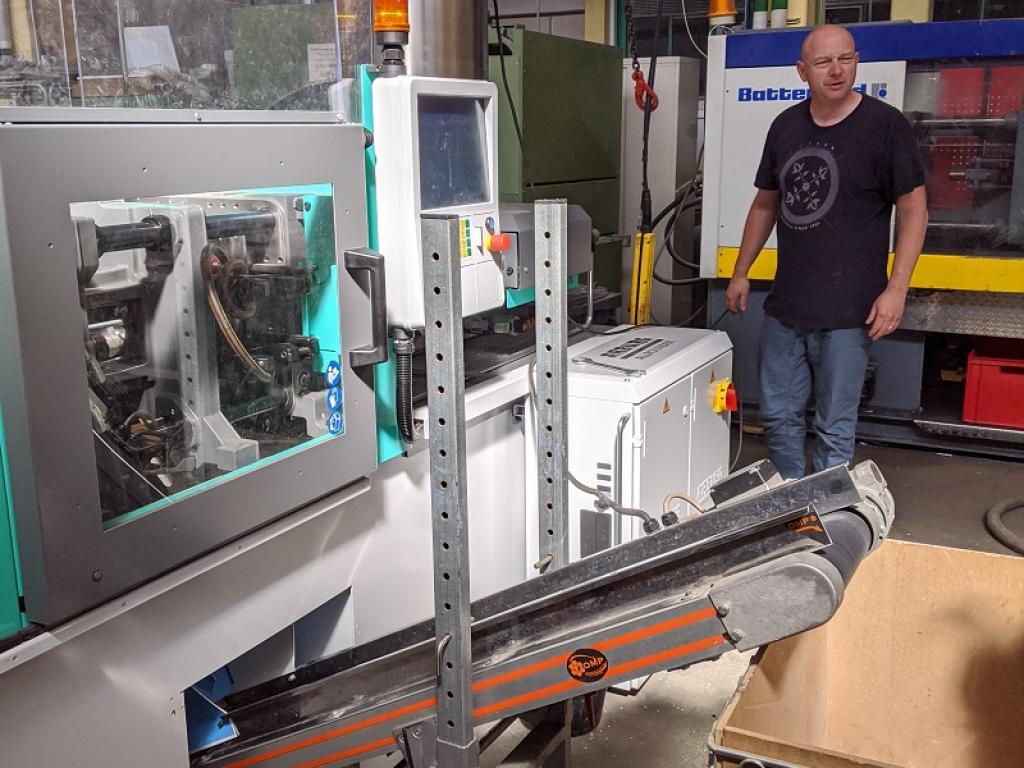
- improve production automation settings (ejection and sorting of produced parts, automatic raw material feeding, remote webcam monitoring of proper process operation, etc.)
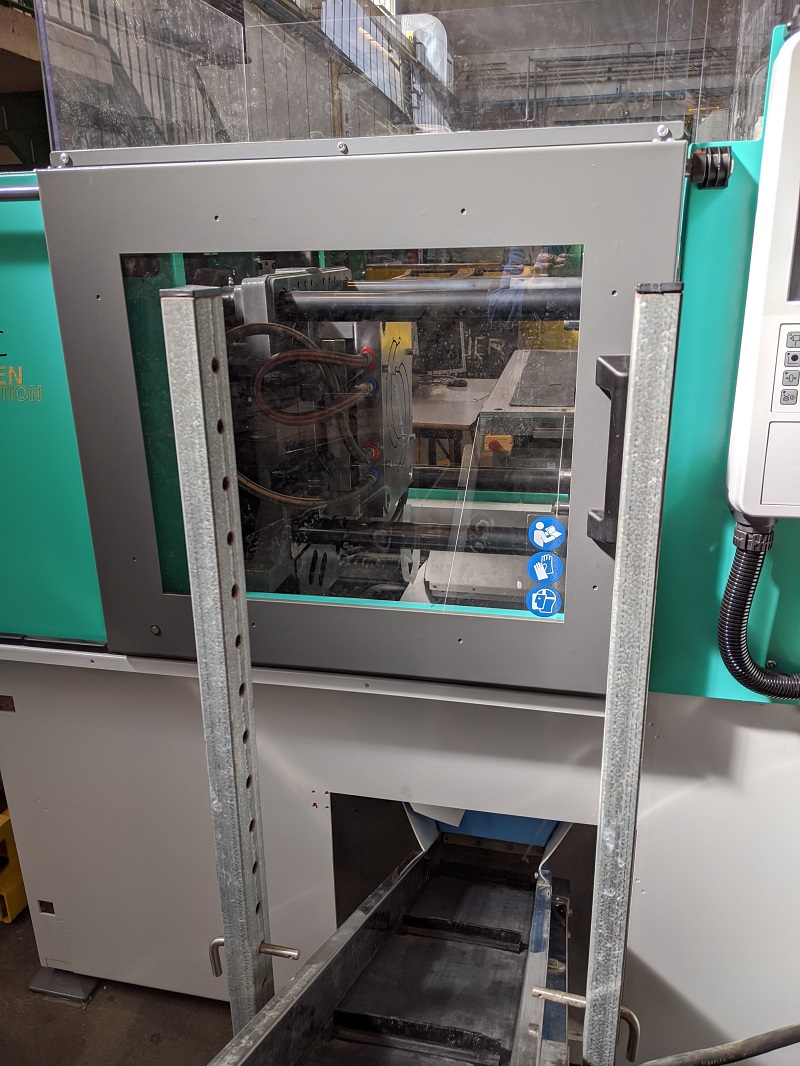
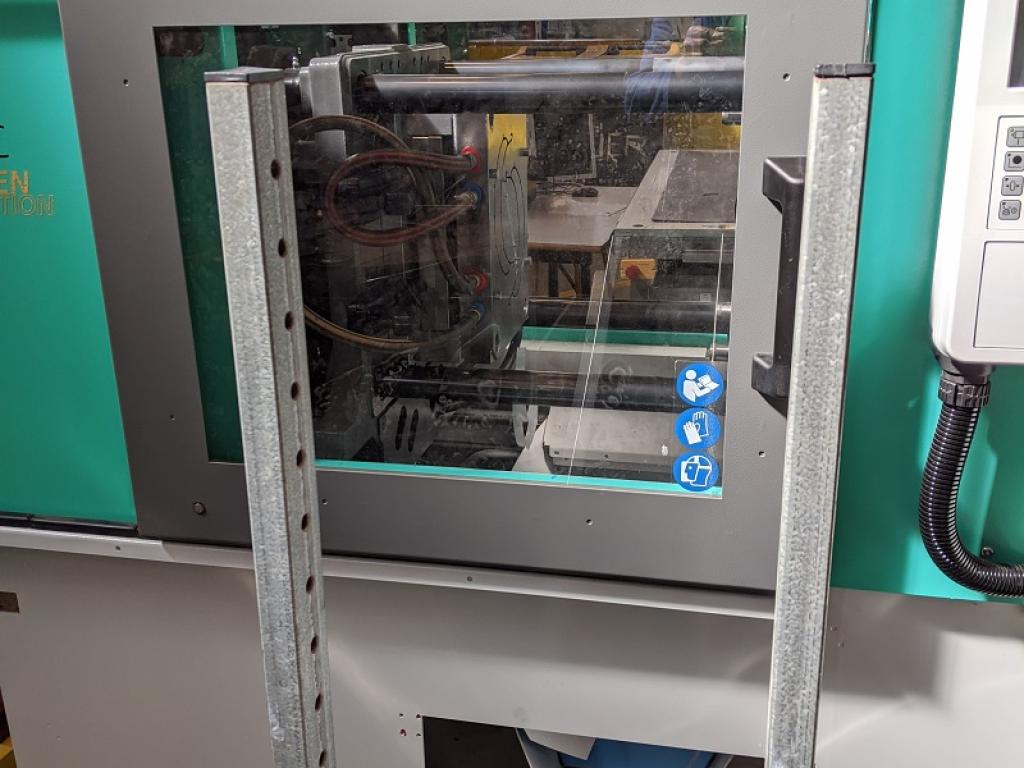
In less than two weeks, production was able to start on the injection molding machine in the plastics workshop at Jean Perrin High School. INEOS and TOTAL donated two tons of polypropylene pellets through their subsidiary APPRYL in Martigues to ensure production could go ahead.
It takes just 54 seconds to produce two visors, 24 hours a day.
This ensures a quasi-industrial production rate of 3,200 visors per day.
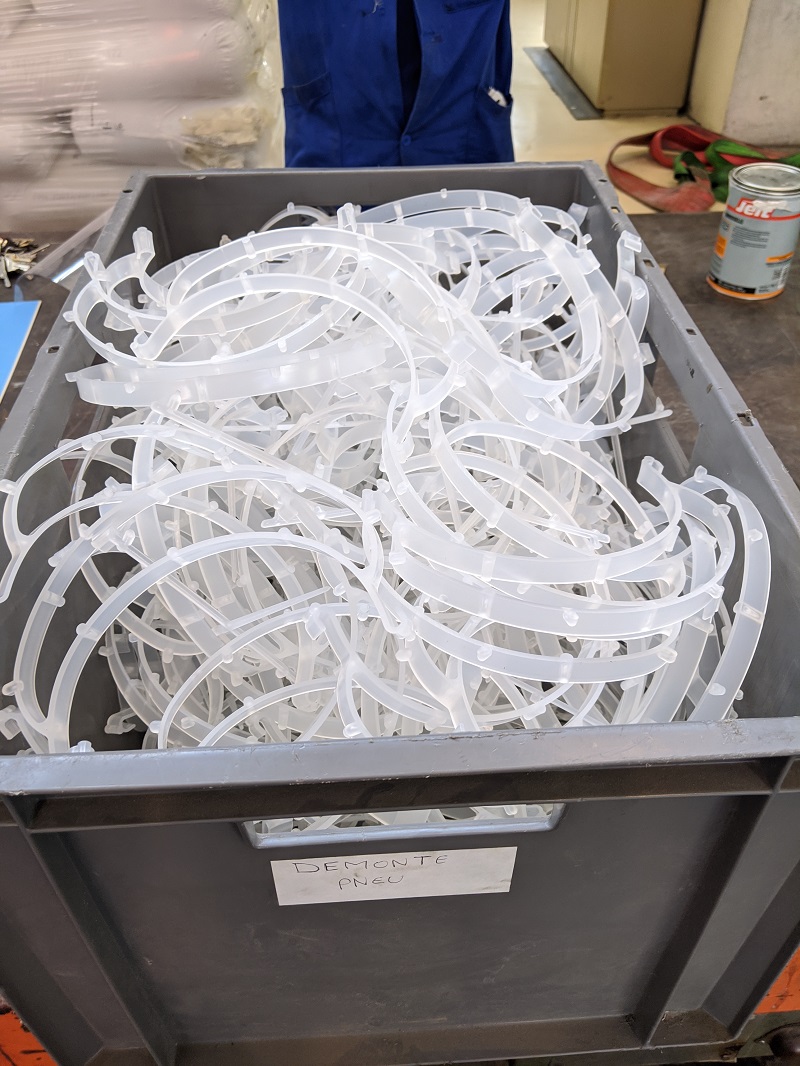
The packaging and distribution of the 15,000 visors ordered has already been taken care of by the collective Visières Solidaires 13collective, which initiated the request, for healthcare workers in the Bouches-du-Rhône department.
Now that the target has been reached, the extra visors will be distributed to schools through the local education authority to ensure optimal health and safety conditions in classrooms.
For Philippe Collot, campus director, and Lionel Roucoules, director of the Lispen laboratory, this project represents:
A true success story based on the values of collaboration, people, and expertise... Something to think about when building the industry of tomorrow.