As part of its partnership with Texas A&M University, Arts et Métiers joined forces for the second time with an event that is part of the Aggies Invent program program (48-hour intensive design experiments): Invent for the Planet (IFTP)
Eleven teams of students (seven in Aix-en-Provence, Chambéry, and Cluny, and four in Châlons and Paris) took part in the "Invent For The Planet (IFTP) an international hackathon with prototyping that brought together 24 universities around the world from Friday, February 10 at 4:00 p.m. to Sunday, February 12 at 6:00 p.m. (local time).
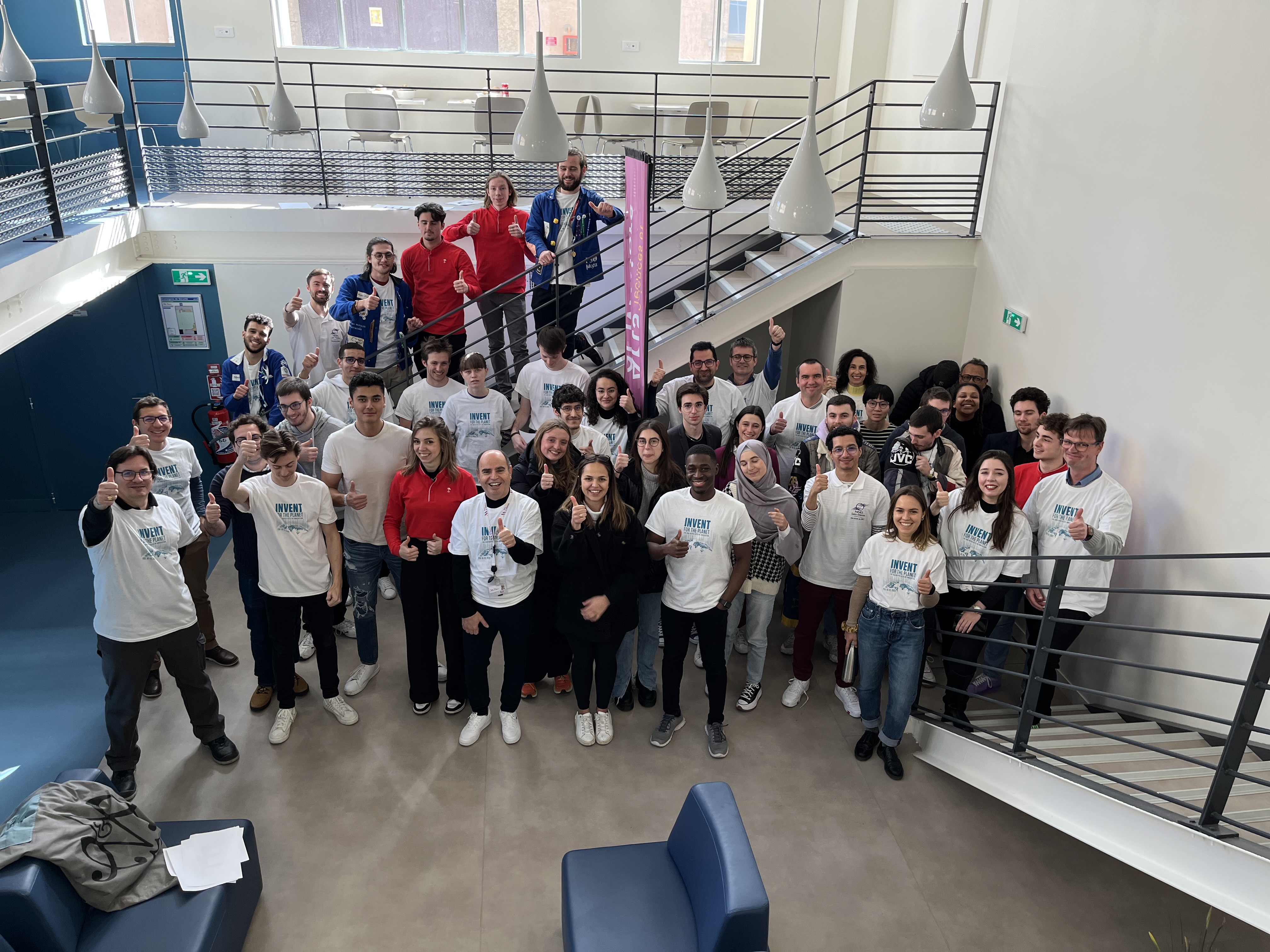
This year, the Aix-en-Provence campus welcomed 34 students from the Aix and Cluny campuses and the Chambéry institute, including six students from Aix studying at ESSCA, IAE, and the Ecole des Mines de Gardanne, and four students from TAMU who came for a semester of study.
The Chalôns-en-Champagne campus welcomed 20 students, including five from the Paris campus.
Invent for the planet, a unique experience
Invent for the Planet is a tremendous opportunity for all these students and campuses to showcase their skills in industrial innovation and management by responding to global challenges such as natural disaster management, victim rescue, water sanitation, clean energy, personal services, and more.
The stakes are high. At stake for Arts et Métiers is at least one team that will representArts et Métiers defend its solution before the international jury, hoping to be among the five finalist teams selected for the final phase in Texas next April.
How did the hackathon go?
Throughout the weekend, and at each major stage, the teams were supported by 22 management and technology coaches (11 for each campus) to ensure that they addressed the issues effectively and stayed on schedule.
After the multidisciplinary teams were formed, three major events punctuated the weekend:
- The Design. On Friday and Saturday, February 10 and 11, students devoted themselves to searching for ideas and solutions.
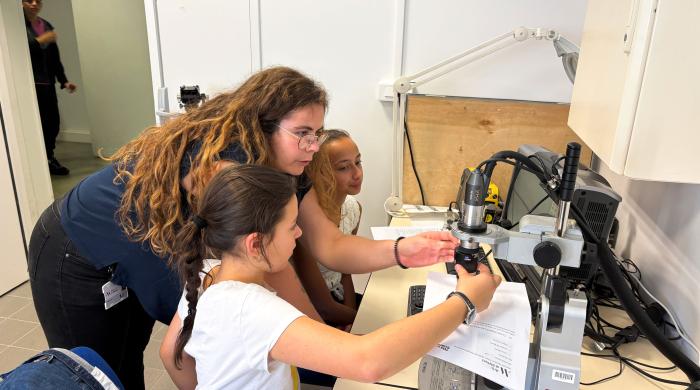
- The Doing. On Saturday and Sunday, February 11 and 12, the teams were able to build their prototypes and prepare for their pitches.
- The Deal. On Sunday afternoon, February 12, students continued to make progress on their prototypes, 90-second videos, and convincing preparations for their final (10-minute) pitches.
At the end of the weekend, the teams presented their projects.A jury on each campus selected its top three teams.
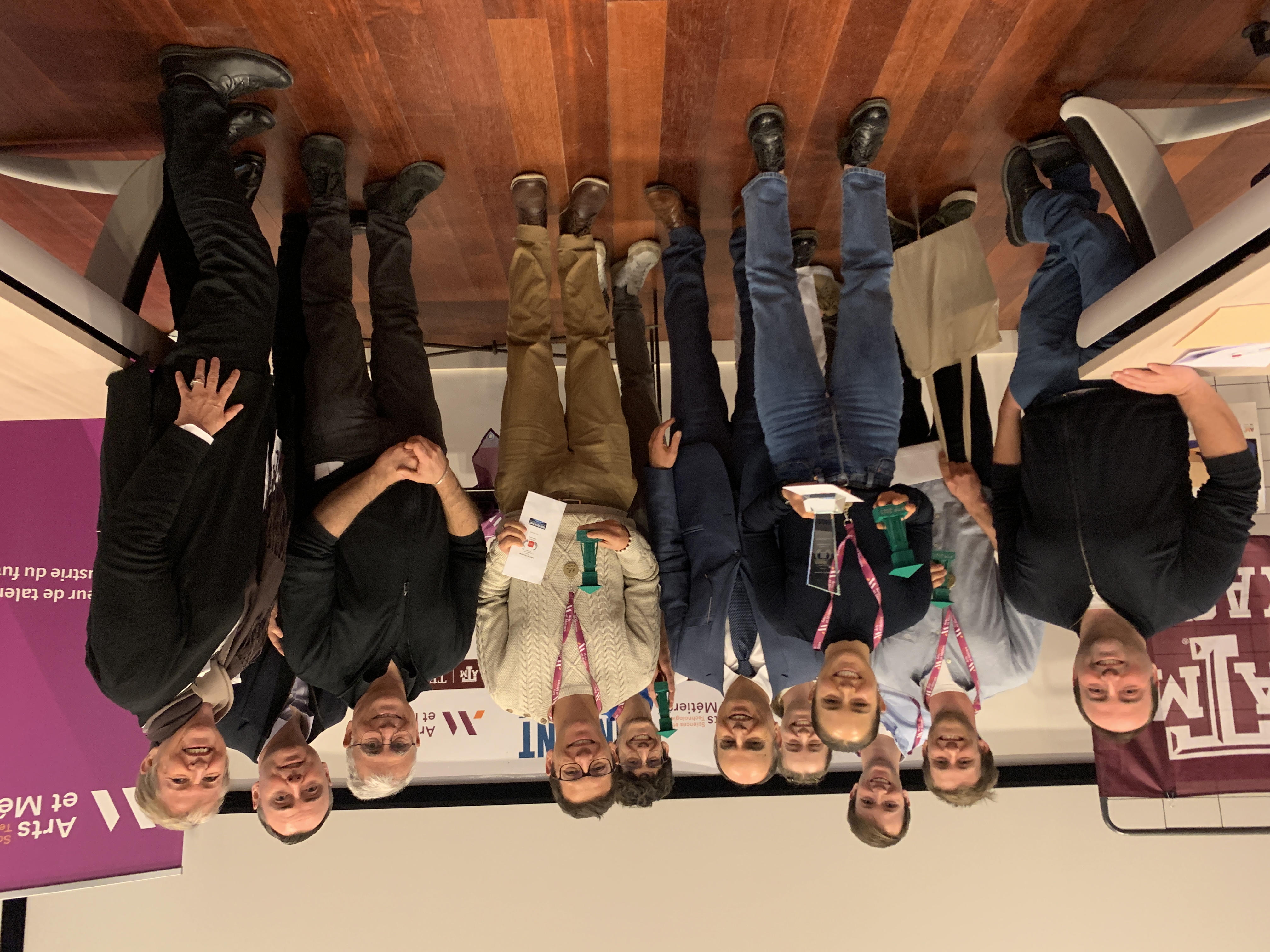
>>> The jury for the Aix-en-Provence campus, composed of Féthi Ben Ouezdou, campus director, Dominique Augey, deputy mayor of the city and regional councilor, Olivier Provitina, head of partnerships at the CEA, a partner of the campus, Kevin Polizzi, business leader, and Damien Dietsch, director of a local business incubator, selected the following solutions:
- Gold medal for the AbaniCH20 team and its universal solution for purifying artificially polluted water
- Silver medal for the Feash team and its solution to increase the energy efficiency of a fishing boat by using its own waste
- Bronze medal for the TempoFix team and its solution for modular houses that fold like an accordion, with a choice of materials (recycled plastic, cross-laminated timber, sustainable green roof) and customizable layouts.
>>> The jury at the Châlons-en-Champagne campus, composed of Giovanni Radilla, campus director, Clovis Francis, teacher, Patrick Charton, president of CARE, and Alain Lonchamp, former teacher and member of CARE, selected the following solutions:
- The winning team, MyShelter, designed a modular housing system that can be easily deployed and used as temporary housing for a period of 6 months to 3 years.
- The team that came in second, MHAD, also designed a modular housing system that uses standardized parts, including prefabricated insulated panels and interlocking supports that allow temporary structures to be quickly assembled.
- The ReRock team, which took third place, designed an app that uses the power of AI to enable consumers to reuse old clothes to create new ones, thereby limiting the environmental impact of creating new textiles.