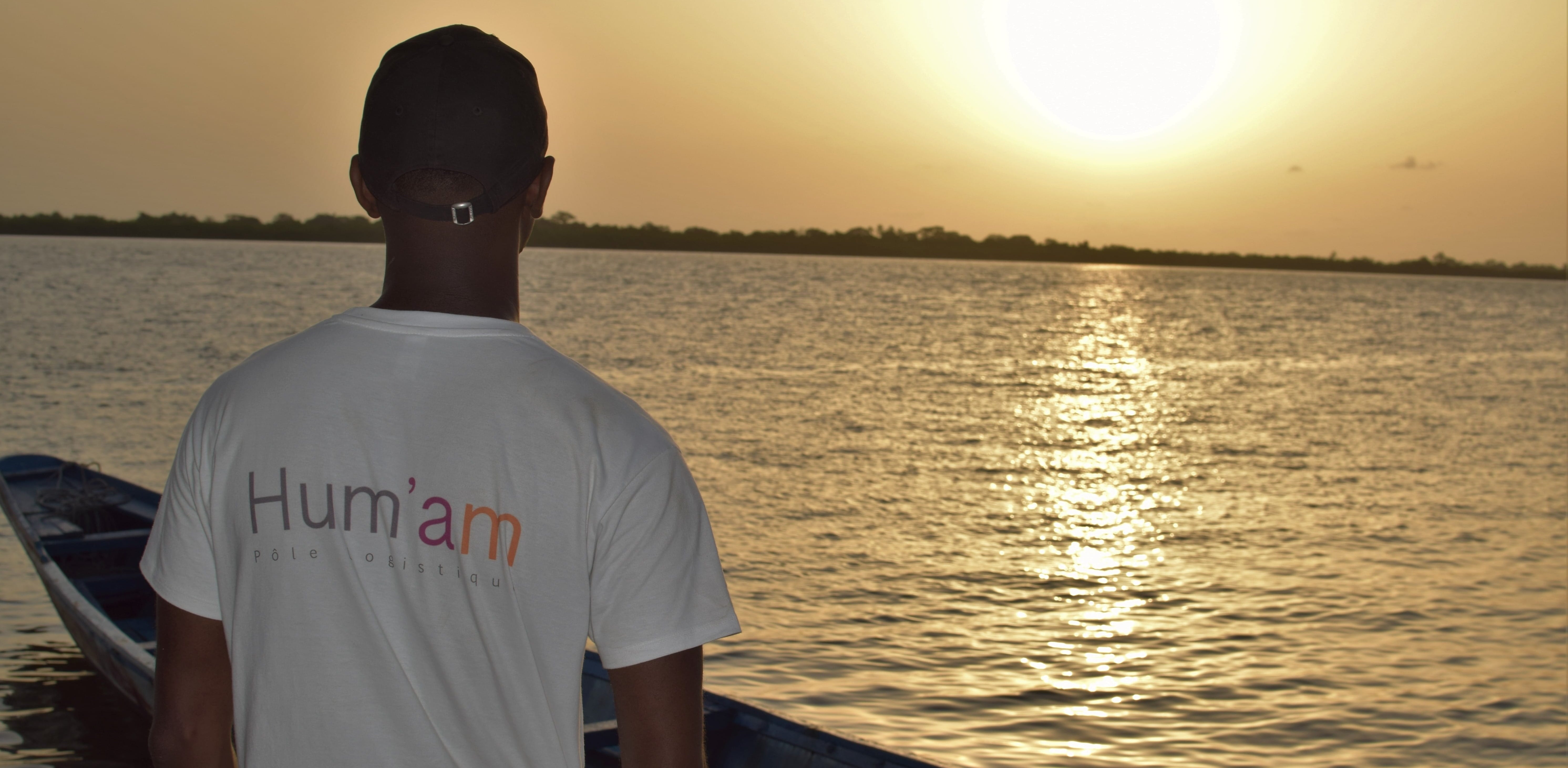
From October 7 to 17, nine Arts et Métiers apprentices studying industrial engineering and energy engineering at the Paris campus went on a mission to Senegal as part of their humanitarian association, Hum'am. Their goal was to install a solar-powered water desalination machine in Ourong, an island in Senegal, thereby helping 500 villagers!
The genesis of the project
Founded in 2016, Hum'am aims to facilitate access to water, education, and electricity in disadvantaged villages. After completing missions in Madagascar, Benin, and Cameroon, the Hum'am team decided to travel to Senegal, specifically to Ourong. Why Ourong? A Senegalese member of parliament made this proposal to the apprentices, and they accepted it because of its challenging nature!
It's a small island, only accessible by canoe. It was challenging, so we decided to take on the project!
The project began in August 2019, and a member of the team visited the site to assess the situation. After considering building a well, the apprentices decided to propose a solar desalination solution, as it was not possible to drill on site.
In practical terms, salt water from the river will seep into the groundwater, then be collected and desalinated using a machine powered by solar panels.
To finance their project, the students took part in a call for projects organized by the EDF Foundation, aimed at associations or public interest organizations working in the fields of the environment, education, or inclusion, in order to receive support. After a site visit by two engineers from the Foundation, the project was approved and the students received €100,000 from the EDF Foundation! The remainder of their project, totaling €160,000, was financed by other companies and by a fund set up by the apprentices.
A journey rich in emotions... and hard work!
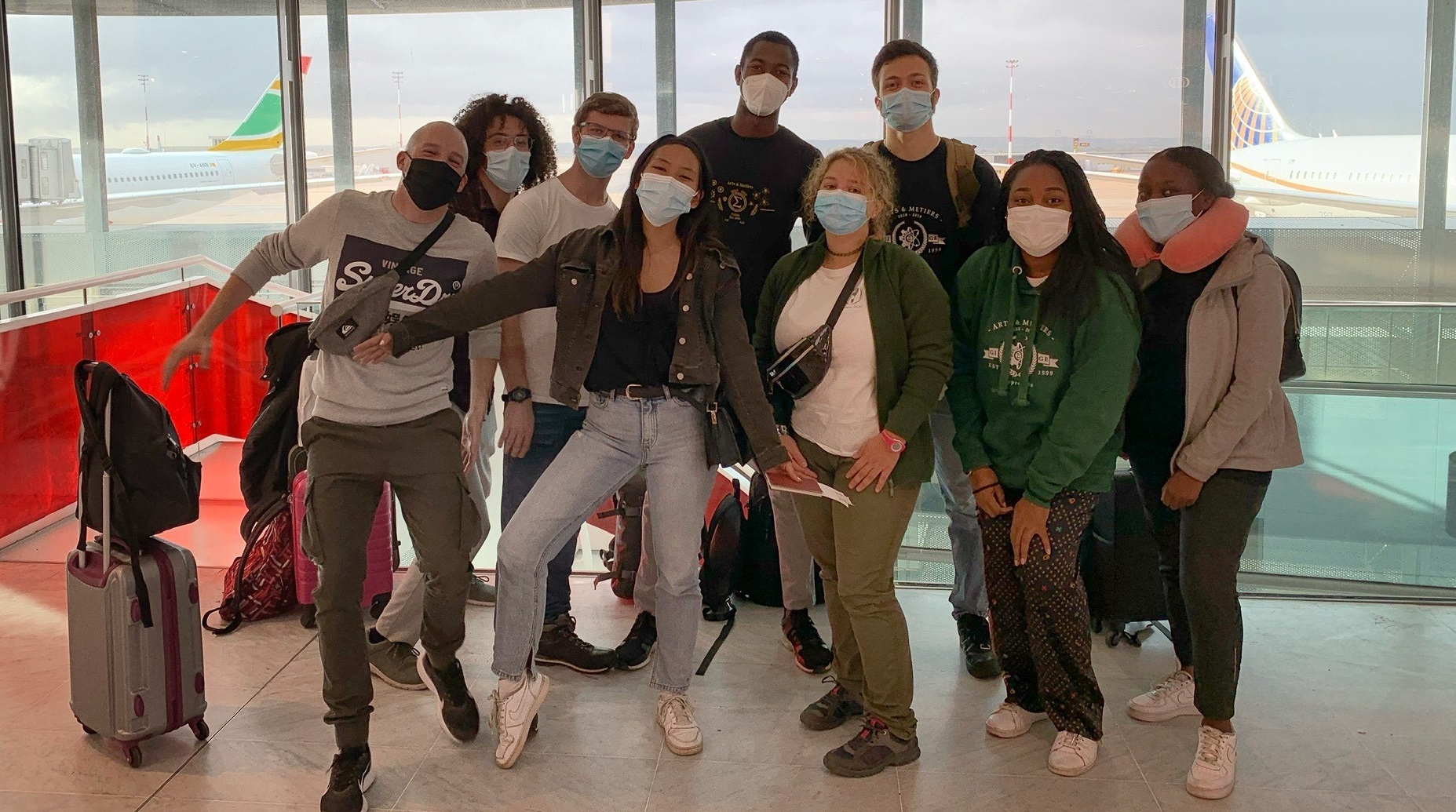
The nine apprentices flew to Ourong in October (after taking a PCR test!) and were welcomed with great fanfare!
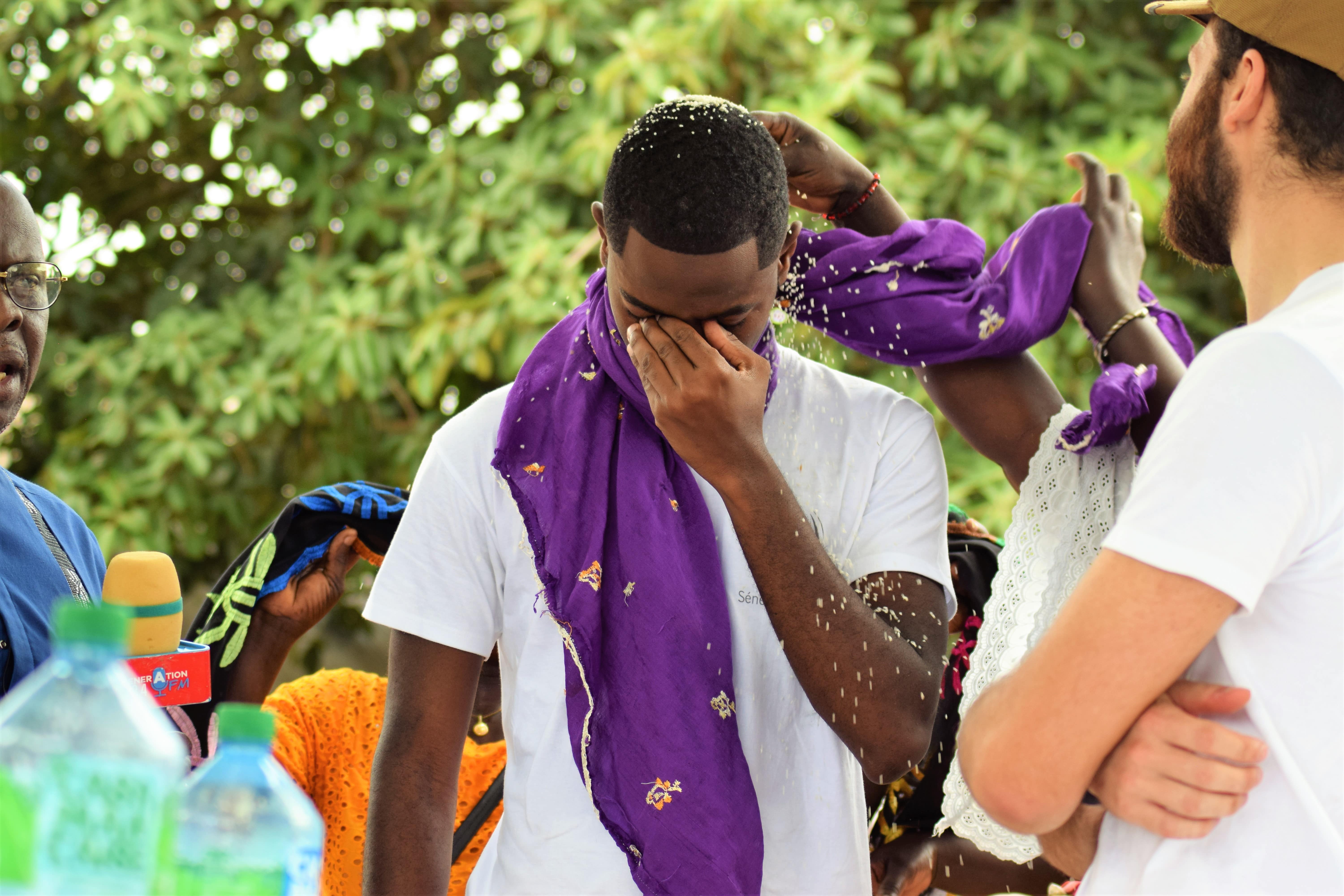
The welcome in the village was incredible! All the interactions with the villagers were very enriching.
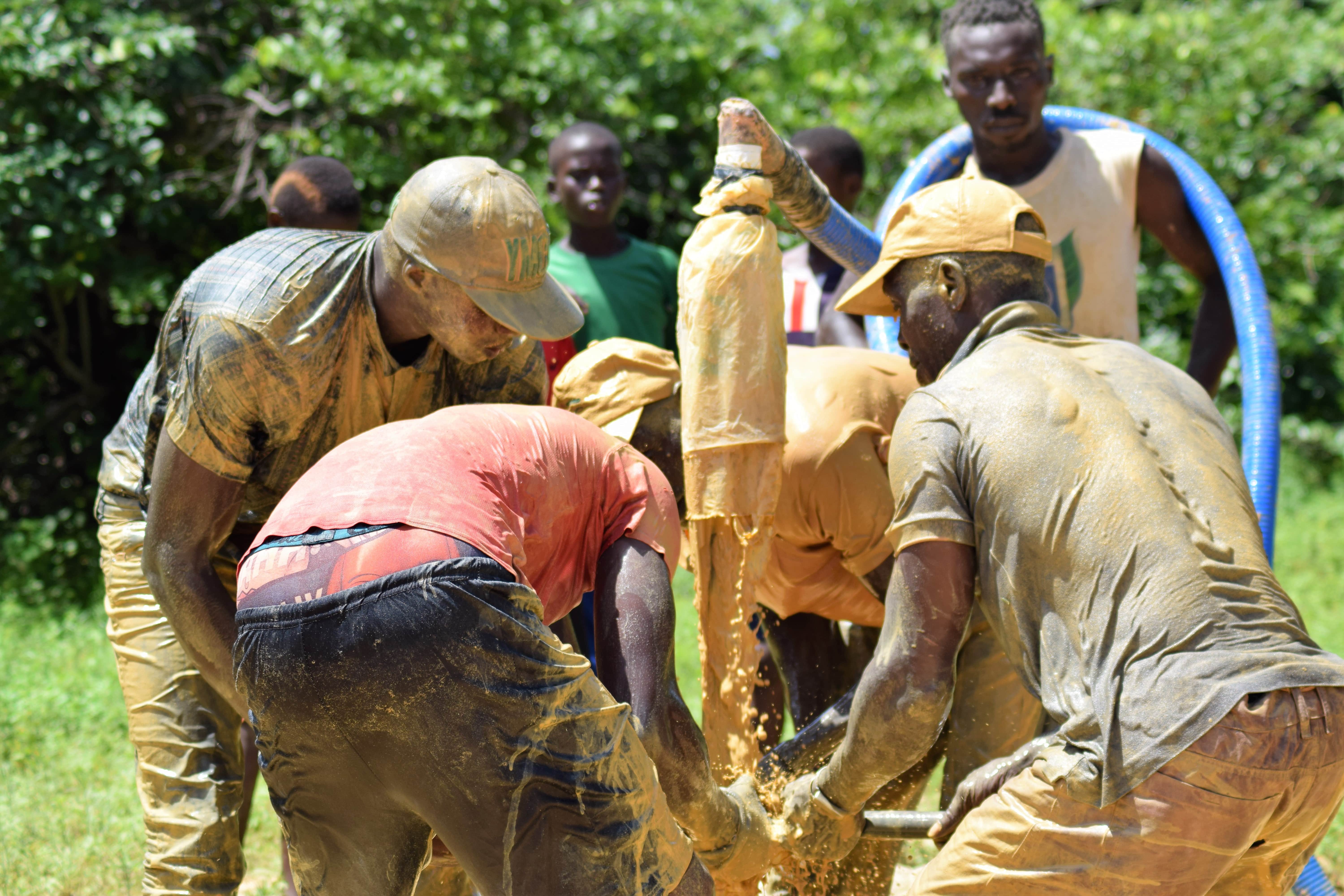
Once on site, the volunteers quickly got to work! As the desalination machine could not be installed at that time (the Netherlands-based company supplying it was unable to travel due to Covid), they carried out all the necessary work to enable the machine to be installed at a later date: setting up the solar panel area, installing a mini borehole to pre-filter the water, and analyzing the groundwater to determine its salinity level. Throughout their mission, they consulted the villagers on an ongoing basis about the work to be carried out.
This humanitarian mission was a real eye-opener for the apprentices, who came away from it having grown as people:
This initiative allowed us to question ourselves, not only as individuals with the means and therefore the duty to help, but also as privileged individuals. It taught us humility and gave us a new perspective on life.
Arts et Métiers training Arts et Métiers to use for a humanitarian cause
The skills they acquired during their training at Arts et Métiers in the workplace enabled them to successfully complete the project. These skills included project management and leadership skills, such as coordination and management of local and international partners, as well as more technical skills. The energy engineering apprentices worked on sizing the solar panels, validated the technical specifications, and handled the technical adjustments.
There is a whole process of verification and reflection at the technical level that requires knowledge that is taught during our training at Arts et Métiers. That is precisely the goal of our association: to use our technical knowledge to carry out humanitarian missions.
What next?
As the machine could not be installed in October, the apprentices plan to return to the site in March 2021 to install it and produce the first liters of drinking water for the village! In the meantime, they are remotely managing the various construction projects: the construction of the technical room that will house the machine and the reservoir that will be directly connected to it and will be used to store water, with the help of Senegalese companies.