For its second edition, the organizers of the Arts et Métiers pour la Réussite et la Réflexivité des Etudiants (AMARRES) program had to adapt due to the health crisis and the preventive measures put in place.
From September 1 to 11, 2020, first-year students inthe Arts et Métiers Grande École Programat the Arts et Métiers Campus Arts et Métiers Cluny tried out the AMARRES program. The objectives of this back-to-school program were to welcome students to their new environment, help them identify key resources, and give them an understanding of the skills required of an Arts et Métiers engineer, Arts et Métiers giving meaning to the training they are about to undertake.
Two highlights mark this fall program:
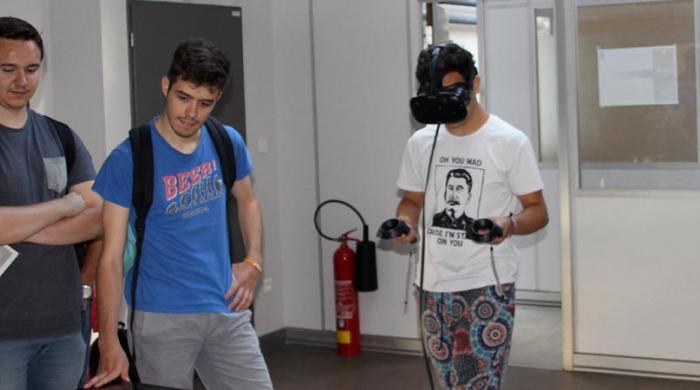
The SESAM serious game - Services Equipes et Site aux Arts et Métiers.This year, the game did not take place over one day or in groups, but remotely via an individual six-day course on the SAVOIR platform. Together with the ICIFTECH team, a course was designed with completion requirements. The objective remains the same as in face-to-face sessions: to discover the school and the abbey, meet the staff, learn about projects and equipment, and get to grips with the digital platforms (SAVOIR, ETRE, LISE, TEAMS).
All of the platform's features were put to use: in particular, they had access to a chat room with the library, a forum on international mobility, and a quiz on Cluny Abbey—tools that they will use throughout their studies at Arts et Métiers, explains Christine Chevignard.
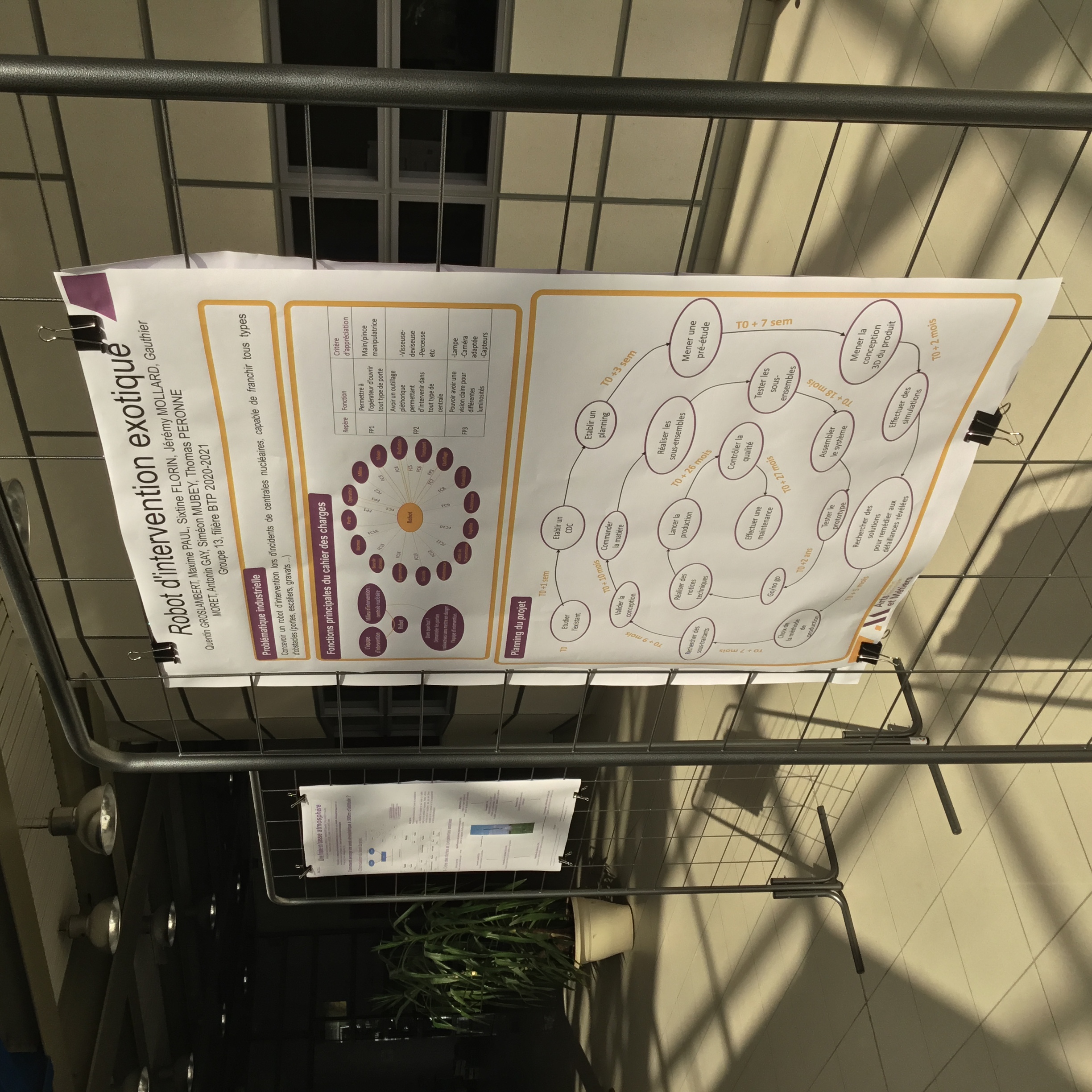
Initial Project-BasedLearning(HAPPY): studentsare confronted with real-life engineering project situations over the course of a week. The aim of this initiative is to discover the skills and knowledge covered by the PGE training program, learn how to work in project mode, and identify the skills required of an Arts et Métiers engineer.
Teacher-led phases alternate with independent phases where students organize their working groups and meet the objectives for each of the seven sessions.
As part of HAPPY, meetings between Arts et Métiers engineers and students took place remotely using Teams or in person, which allowed for a larger number of engineers to participate, says David Prat.
This back-to-school program received two grants following calls for projects to which the campus applied to the Bourgogne Franche Comté region (including the RITM BFC project - Réussir – Innover – Transformer – Mobiliser [Succeed – Innovate – Transform – Mobilize]). These calls for projects encourage educational innovation, the results of which are evaluated for dissemination throughout the region. Agnès Bourg, Christine Chevignard, and Régine Geoffroy will share their experiences on October 8 with five members of the Bourgogne-Franche-Comté University.
In conclusion, the objectives have been achieved based on the results of the student satisfaction survey. Of the 98 students who responded:
95% gained a clearer understanding of engineering skills as a result of HAPPY projects.
83% appreciated the diversity of materials on the SESAM course.
This unique AMARRES setup has enabled us to create educational and communication materials that will be reused to promote the school. Experimenting with a 100% in-person and hybrid model over the two years of the program will allow the team to reinvest in the best of AMARRES' activities in the future, says Agnès Bourg.