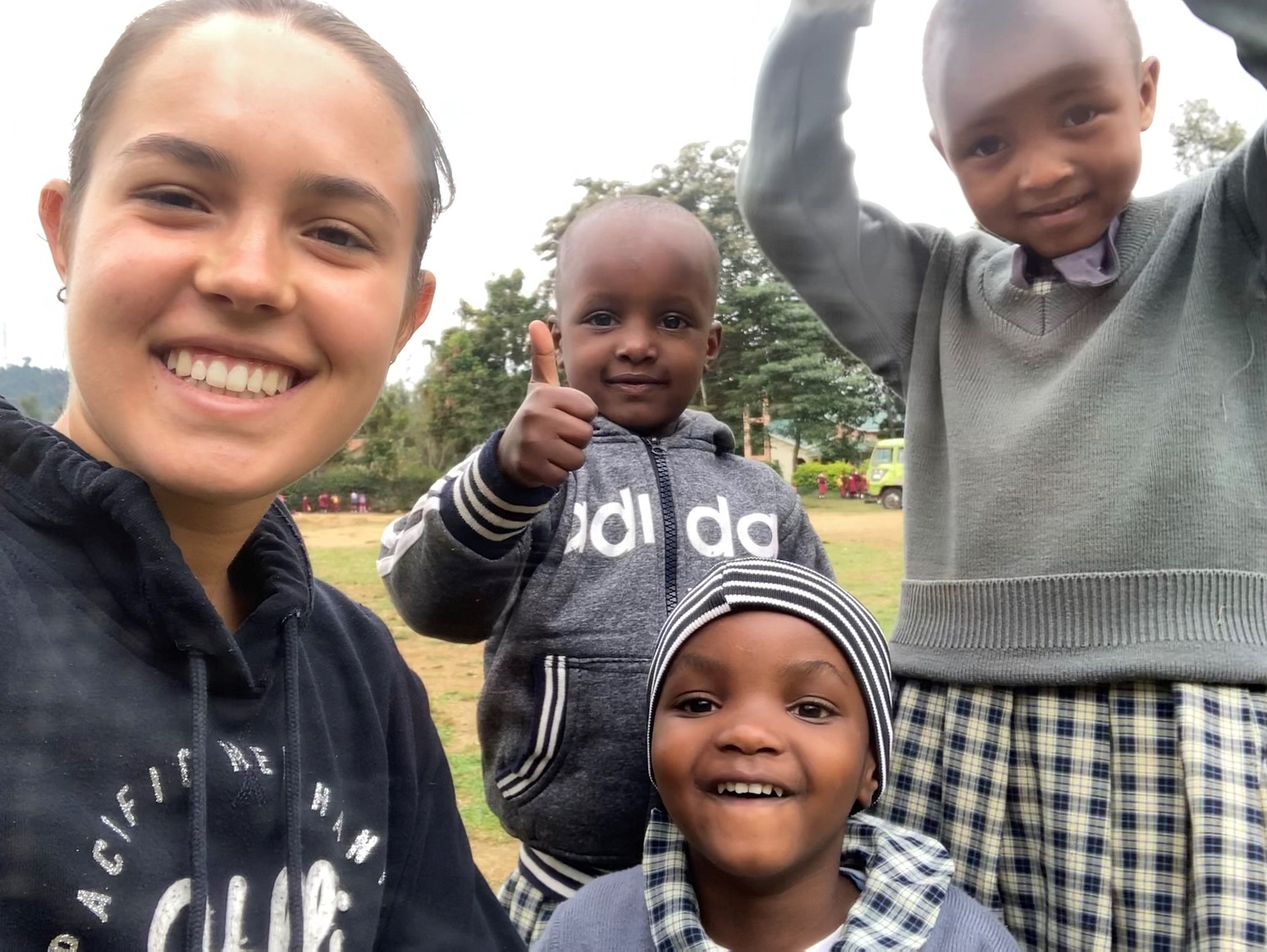
Inès, an engineering student in Grande Ecole Engineering Programme the Aix-en-Provence campus, went to Tanzania last summer to do humanitarian volunteer work. She was welcomed in the city of Arusha.
“I really love to travel, but I had never been on a humanitarian trip before. So I wanted to try it out to discover a new culture by getting close to the locals while also being able to make a difference.”
Preparation: the key to a successful humanitarian volunteer project abroad
Inès chose to go with the French association Globalong, which offers several destinations and puts volunteers in direct contact with local associations.
This allowed her to prepare for her trip by ensuring the best possible conditions for her stay. She took the time to define her motivations and expectations for her project.
"If anyone is thinking about going on a humanitarian trip, I would advise them to plan well in advance. There are lots of blogs by people like the one at P'titreporter, who have already been on missions and provide local contacts," explains Inès.
A mission to help children
She got in touch with the Tanzanian association Karibu Volunteering, which offers volunteers the opportunity to carry out missions in schools, orphanages, hospitals, and even on construction sites.
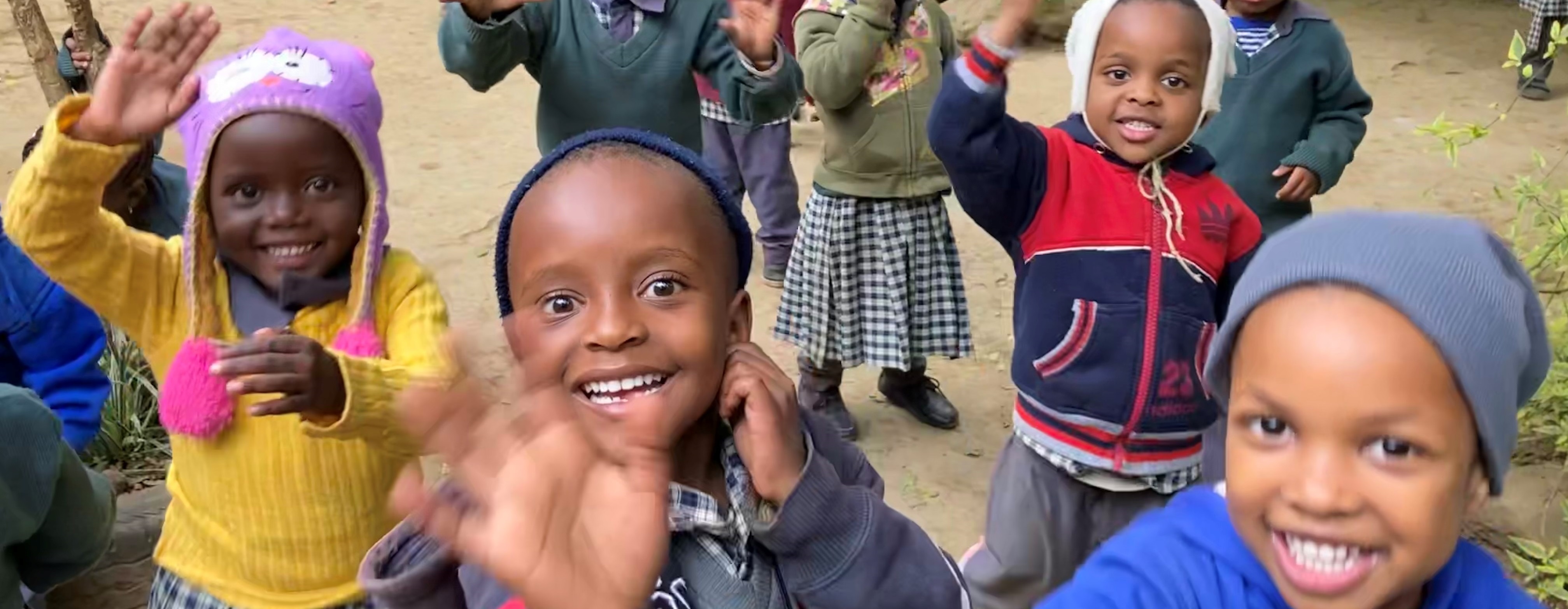
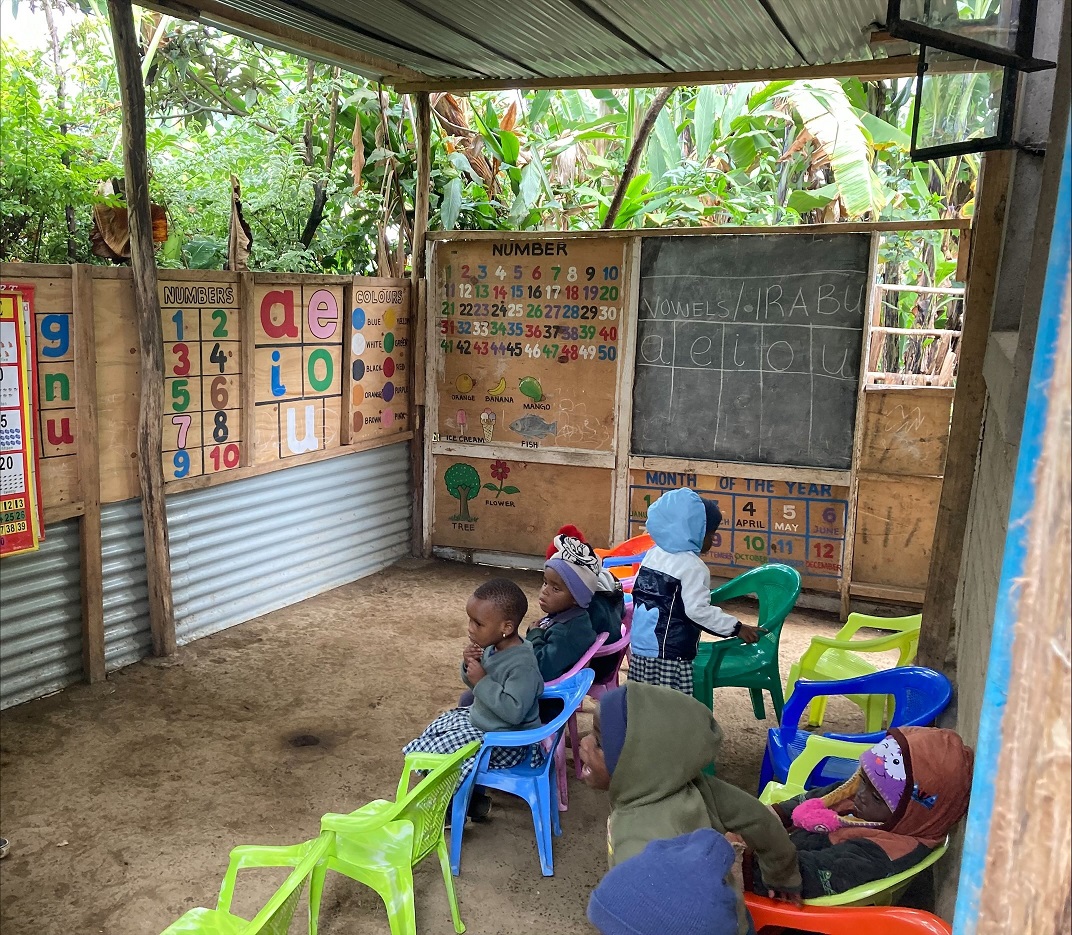
The mission she contributed to consisted of providing assistance by giving five hours of English lessons per day and supervising children aged 2 to 6 at the Furahia Mtoto Foundation school. This school is equipped to accommodate around 30 children. Six were orphans living at the school, while the others came from families who could not afford to provide their children with access to education or pay for their schooling. Inès explains that in Tanzania, only private schools teach English, " so passing the English test is a prerequisite for continuing on to secondary school."
Mutual exchange and enrichment
"This experience was very rewarding because it allowed me to meet incredible people who devote all their energy to helping others," says Inès. "At the end of my stay, a little orphan girl had grown fond of me and often stayed close to me. We were able to build a relationship of trust between us."
There is one downside, however: "It's difficult for a European to do real humanitarian work without having to spend large sums of money on intermediaries, very little of which goes to the people who really need it," Inès regrets.
What if we had to do it all over again?
If you are planning to travel to Tanzania, please feel free to contact Inès. She will be delighted to help you plan your humanitarian project.
The campus solidarity association Gasole has already approached her. A humanitarian trip is being planned for next summer in Togo or Tanzania.