What is the status of the ELF (Evolutive Learning Factories) program launched in 2021? Who are the key players? What are the next steps? Véronique Favier, Deputy Director General coordinating this strategic project for the institution, provides the answers.
How is the ELF program being rolled out atArts et Métiers
I sense real momentum on this issue. For example, 84 educational projects were launched during the year in connection with ELFs. This is also evidenced by the 140 volunteers who signed up for the seven working groups launched in February. These groups, tasked with assessing the current situation and proposing an action plan, were fully booked in just one week!
Teachers have even taken the initiative to set up an additional group dedicated to robotics.
Nevertheless, we can still develop the involvement of laboratories, as the ELF program includes a research component in addition to teaching and can initiate funding.
The stakes are high because ELFs are the lever for modernizing our technology platforms at a time when production systems are becoming digitized and integrating sustainable development issues.
In an institution that trains its students through practice, it is essential to introduce these transformations.
What types of projects are developed within the program?
They are very diverse, but can be classified into three main types.
First, there are those that respond to calls for projects and are funded by the Regions, the ANR, France 2030, or Europe. There are 37 of these. Among them are JENII, of course, but also CAIRE and Trans-Faire, which is funded by the Paris Regional Education Authority: the aim is to capture data from machines and archive it on a platform so that it can be reused in practical work.
We also have 15 investment projects in 2024 that will enable us to purchase equipment. The first project funded involves the installation of collaborative robots shared between the various manufacturing and assembly units of the ELF on the Cluny campus.
Finally, there are 84 educational projects in which students are involved. These projects cover machine instrumentation, data processing, metal alloy recycling, and more.
Who implements the program?
The key players are the ELF correspondents present on each campus.
At the national level, the ELFs are managed by the deputy general management, which consists of two departments: the Scientific Information and Open Science Department (DISSO) and the Evolutive Learning Factories Development Department, Evolutive Learning Factories we have just created.
Within this framework, we have set up a national coordination committee that has an overview of the program. It validates investment projects within the framework of national specifications and participates in sharing experiences of what is happening on each campus.
The committee also includes an accelerator responsible for facilitating the implementation of ELFs and motivating staff.
What are the next steps?
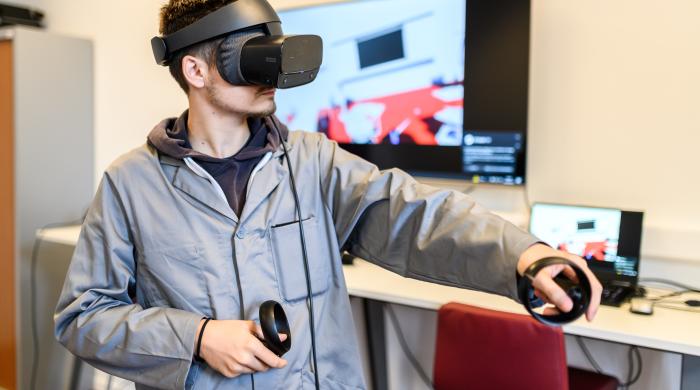
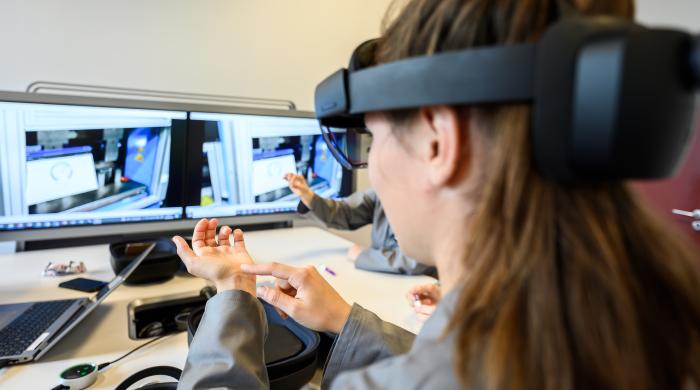
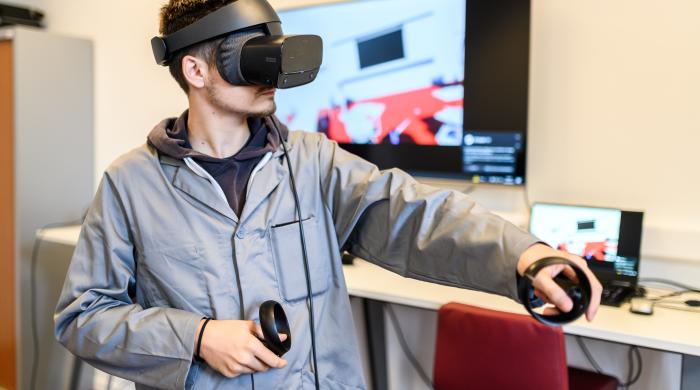
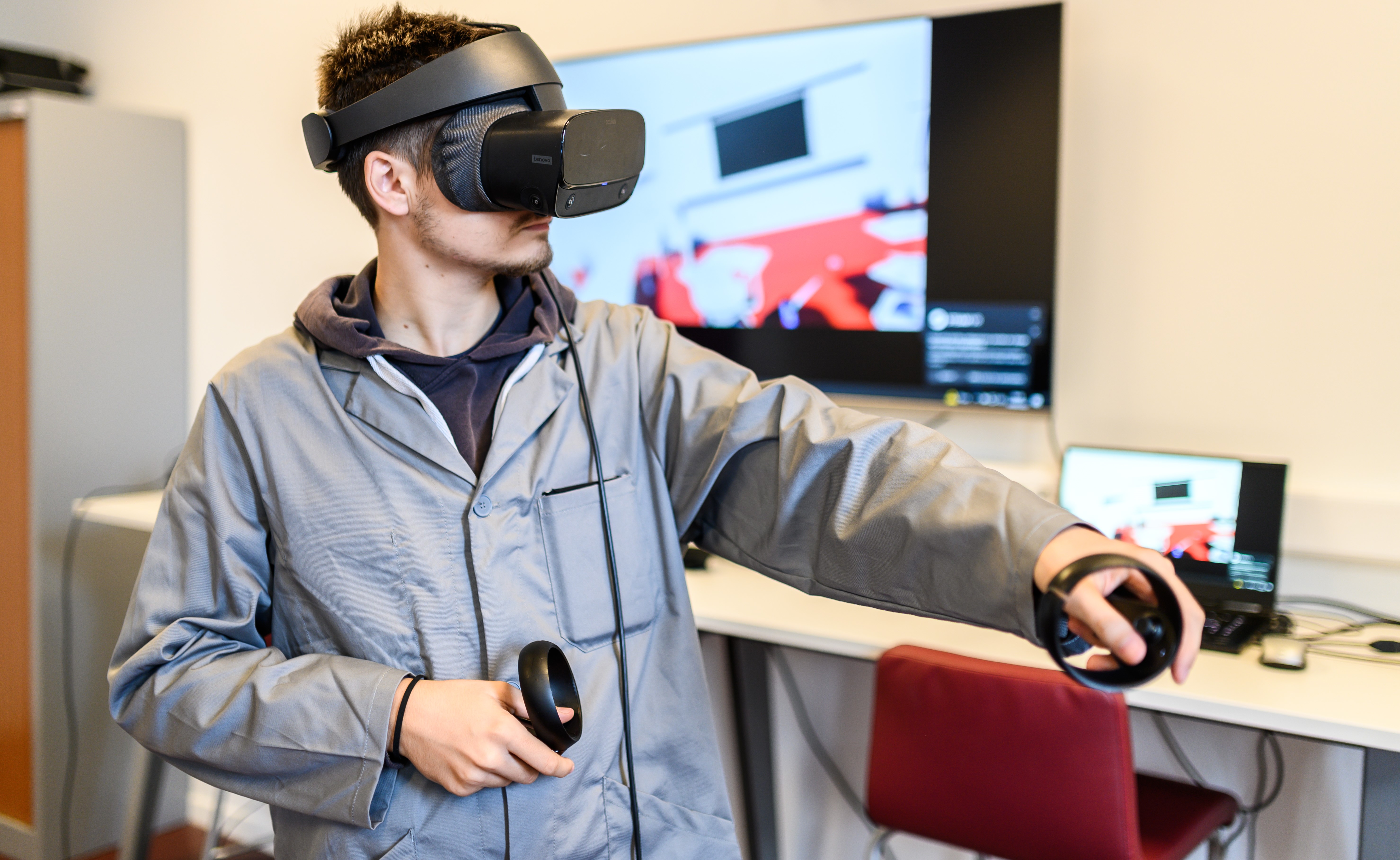
We will continue with the purchases planned for 2024. This involves the investment project leaders, the agreement support and execution department (SAEC) and the Public Procurement unit of the SACP (Public Procurement Purchasing Department). The next investments will be a 5-axis machining center equipped with a rapid workpiece changer system on the Lille campus, a connected supply chain management system on the Angers campus, and virtual reality/mixed reality equipment on all campuses.
In early July, we will define the 2025 investments as part of the Multi-Year Investment Plan with ELF correspondents and campus directors.
Finally, we are preparing presentations on the ELF project for the start-of-term lectures for students and teachers, with the support of the DAFORs.
This year, we also want to step up the momentum of the fundraising campaign, which is mainly driven by the campus management teams and the Corporate Relations offices in conjunction with alumni. The alumni themselves are also financial backers: they have pledged to contribute $1.2 million by 2024. Éric Bourdon, Deputy CEO of the Vicat cement group, who recently contributed to the campaign and would like to see other alumni get involved, is a testament to this.