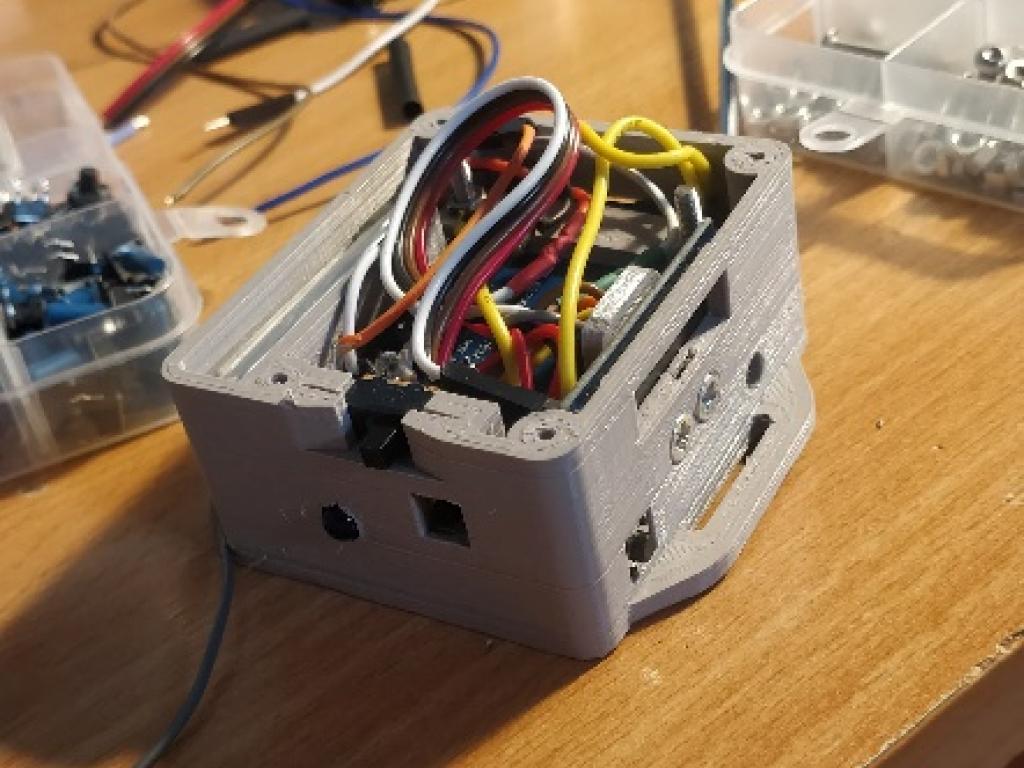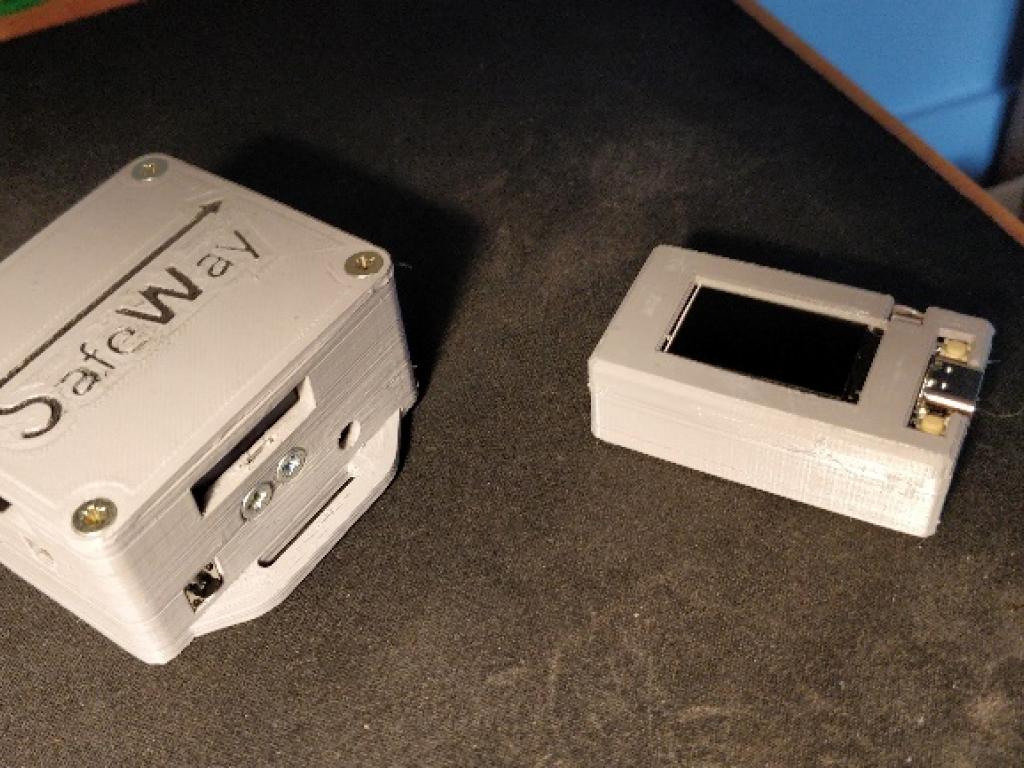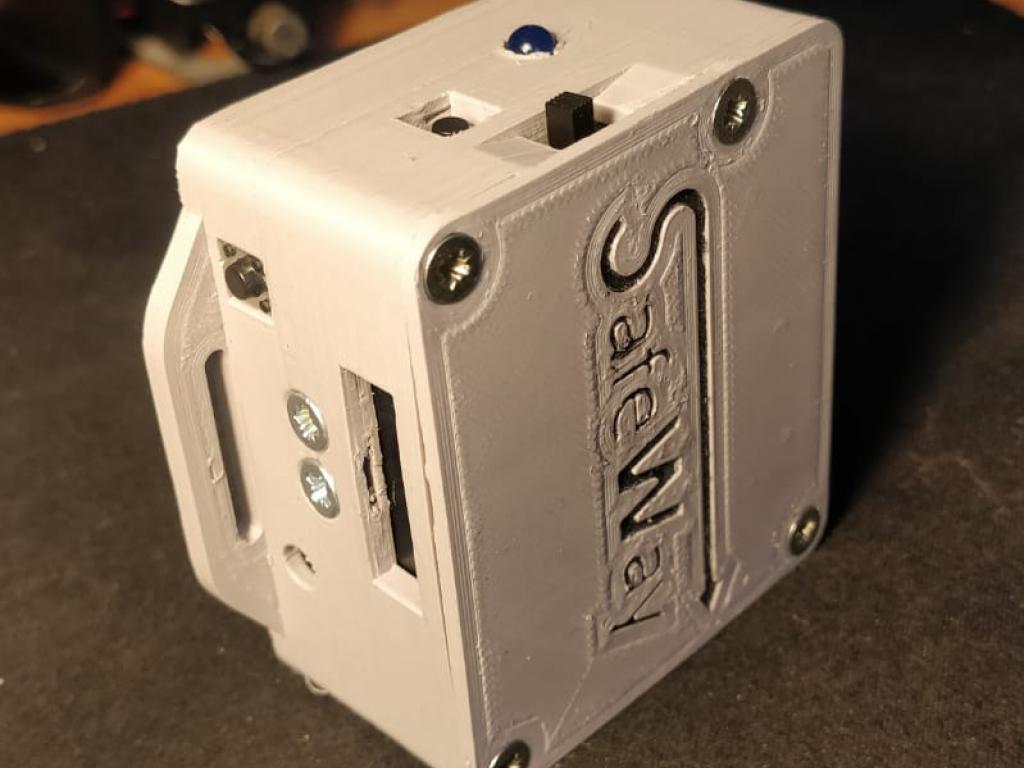
Ian Page is currently in his first year of the Arts et Métiers Grande École Programat the Arts et Métiers Campus Arts et Métiers Cluny. Faced with the COVID-19 pandemic, Ian set himself the challenge at the start of lockdown to design a device that would limit the spread of the virus.
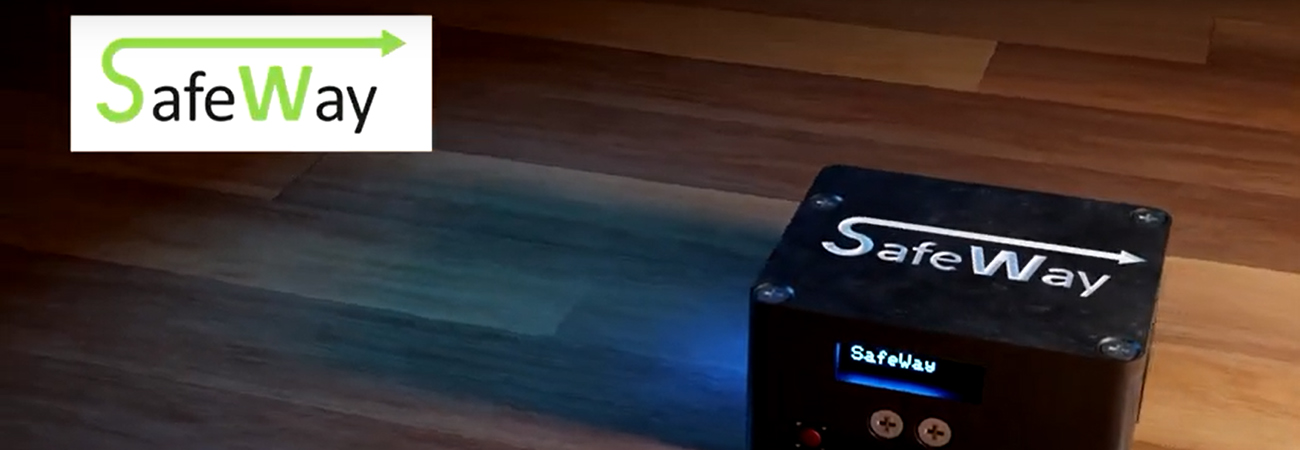
The objective of this system, called SafeWay, is to ensure social distancing by using smartphone app tracking, without providing any data.
Ian reached out to his network of friends.
"The more people there are, the faster we move forward," emphasizes Ian Page, who called on his long-time friends to help him design his prototype: Nicolas Salenc, a student at the École Supérieure Technique in Canada, and Nathis Cote, a student at the École Polytechnique in Grenoble.
In addition to their friendship, it was the combination of their skills and areas of expertise that motivated them to embark on this race against time.
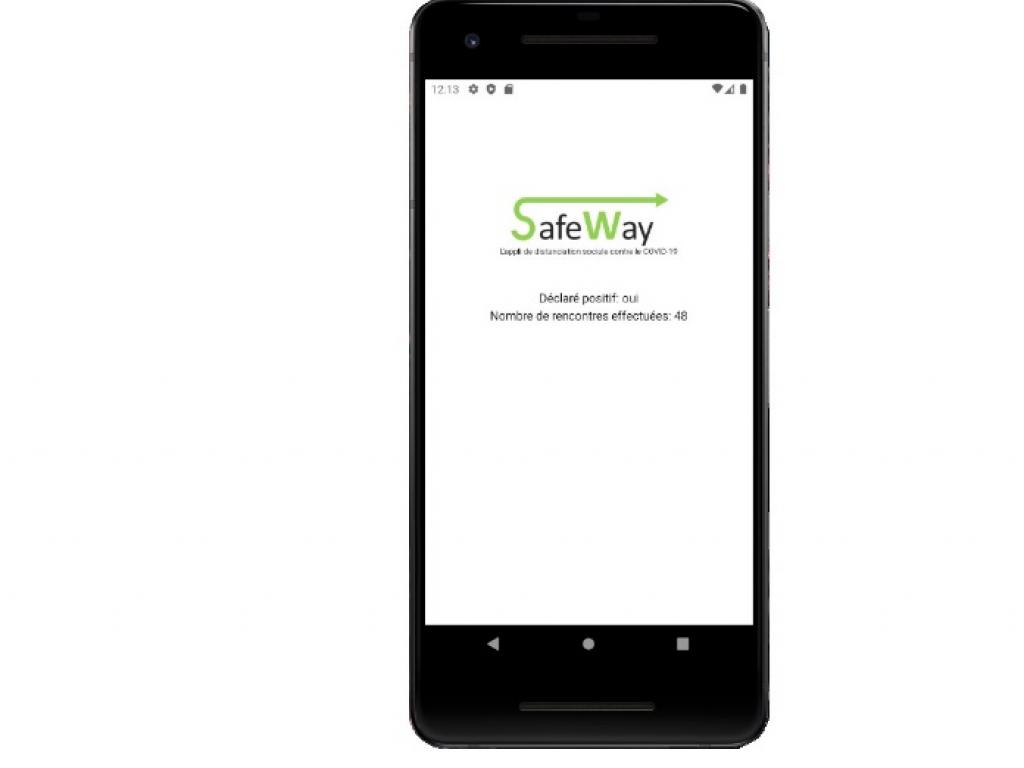
Ian Page is passionate about mechatronics, Nicolas Salenc designed the SafeWay case, and Nathis Cote was responsible for IT and electronics development. They want their SafeWay device to be compatible with all smartphones. That's how Hoël Jalmin, a student in the same school as Nathis Cote in the IT department, joined the project. He developed an application based on the smartphone tracking system. "All the data is stored on a micro SD card that can only be accessed by the owner of the case," says Ian.
Designing during lockdown is a real challenge.
The four partners stayed at home. "We made do with what we had. All the stores were closed during lockdown, so we mainly used online sales platforms, which significantly limited our choice of materials for creating the first prototype," admits Ian. The casing for the first prototype was manufactured using 3D printing. They work together via videoconference meetings.
The more people there are, the faster we move forward, emphasizes Ian Page.
To continue, they need to conduct a large-scale experiment.
The second, smaller version of the prototype exists, and Ian's team now wants a company to buy or test this prototype in order to carry out the full-scale testing phase.
"Our objective has changed significantly. Initially, we planned for this device to be used by everyone in public spaces. Now, we want to make it available to businesses so that they can resume their activities quickly and safely." Ian has been approached by international companies. They have not been able to patent the device, but they want to protect their innovation and have filed a letter with the INPI.