General engineer, student curriculum, third-year expertise in future powertrains, hybridization, and fuel cells
Would you like to be part of the industry's shift towards developing new forms of motorization that are compatible with sustainable development? This third-year specialization is for you!
This training program is available exclusively under a professional training contract.
Campus
Arts et Métiers Campus Arts et Métiers Châlons-en-Champagne
Objectives
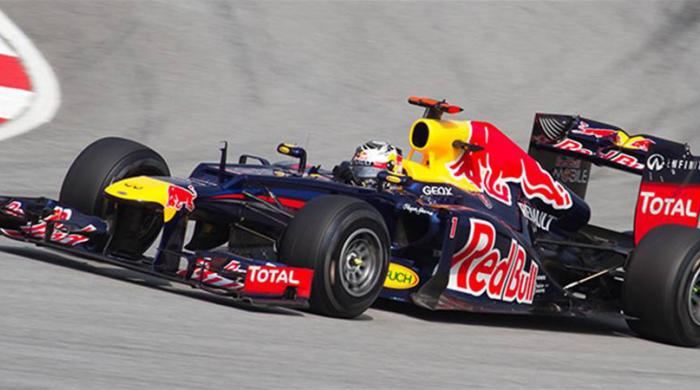
Train operational engineers s in the field of powertrains (conventional, hybrid, and electric) and fuel cells.
- operating with alternative energy sources (gas, biogas, biofuels, hydrogen, electricity, etc.),
- intended for transport (land, river, sea) andindustry,
- and meeting the requirements of the energy transition.
What does this training offer you?
- You will be aware of the major energy strategies underway in France, Europe, and the rest of the world.
- You will be trained ineconomic evaluation methods, well-to-wheel assessments, andlife cycle analysis.
- You will be able to guide technological choices in energy transition processes;
- You will be able to devise technical solutions that are compatible with sustainable development, implement them, and refine them.
ADVANTAGES OF THE TRAINING PROGRAM
1. Courses taught mainly by guest lecturers:
- from the industrial sector (Avril Group, Clarke Energy, Continental, Delphi Technologies, GRTgaz, Liebherr, MAN, Stellantis Group Stellantis, Renault, Total, Toyota, Volvo Truck, etc.),
- consulting firms and professional organizations (IFP New Energies, CEA, Thinkstep, Industry-Agro-Resources Competitiveness Cluster, etc. with whom a partnership has been established to provide end-of-study internships.
2. Easier access to specialized schools
3. Expertise in professional training contracts
PROGRAM
First Semester:
Expertise:
Module 1: Energy and environmentalissues
Module 2: Fuels and energy
Module 3: Engines and applications
Module 4: Electrification
Module 4: Technical and economic analysis and developmenttools
Expertise project
Core curriculum and modern languages
For more details about the program, click here.
Second semester: Professional contract
EMPLOYMENT SUPPORT
Engineer in development, research, strategic analysis, projects, etc. within companies operating in fields such as:
- The design, manufacture, and operation of engines or fuel cells (automobiles, heavy trucks, agricultural, marine, industrial)
- Equipment
- Alternative energy engineering
- Transportation services
- The production and/or distribution of conventional fuels, gas, biogas, biofuels, hydrogen, etc.
PRACTICAL INFORMATION
Required level: Second year of the Grande École program at Arts et Métiers or Master of Science in science and technology
Equivalent international level: Graduate
Language of instruction: French, with a few hours in English
Late September to early February
1. Expertise teaching: 150 hours / ECTS credits: 13
2. Expertise project: 120 hours / ECTS credits: 5
3. Core curriculum: 170 hours / ECTS credits: 13
End of February to end of August
Professional contract: minimum 33 weeks / ECTS credits: 30
Contact:
Florence Lesage
Email: florence.lesage@ensam.eu
Tel.: +33 (0)3 26 69 26 70
ADDITIONAL INFORMATION
This expertise is supported by the companies AVL and CRMT.
Keywords
#Engine #Motorization #Fuel #Hydrogen #Energy #Hybridization #Alternative Energy #Transportation #Industry