On the Metz campus, researchers at the LEM3 laboratory devote part of their research to composite materials, particularly those with a thermoplastic polymer matrix. These materials are highly prized for high-performance applications such as aeronautics, automotive, and competition. This work is directly linked to current industrial needs, but it also makes it possible to anticipate future needs.
Composite materials: higher performance and lighter weight
Used since the 1960s, composite materials are composed of several materials called phases (fibers and resins) that provide mechanical properties, such as rigidity or strength, superior to those of the materials taken separately, while also being lighter.
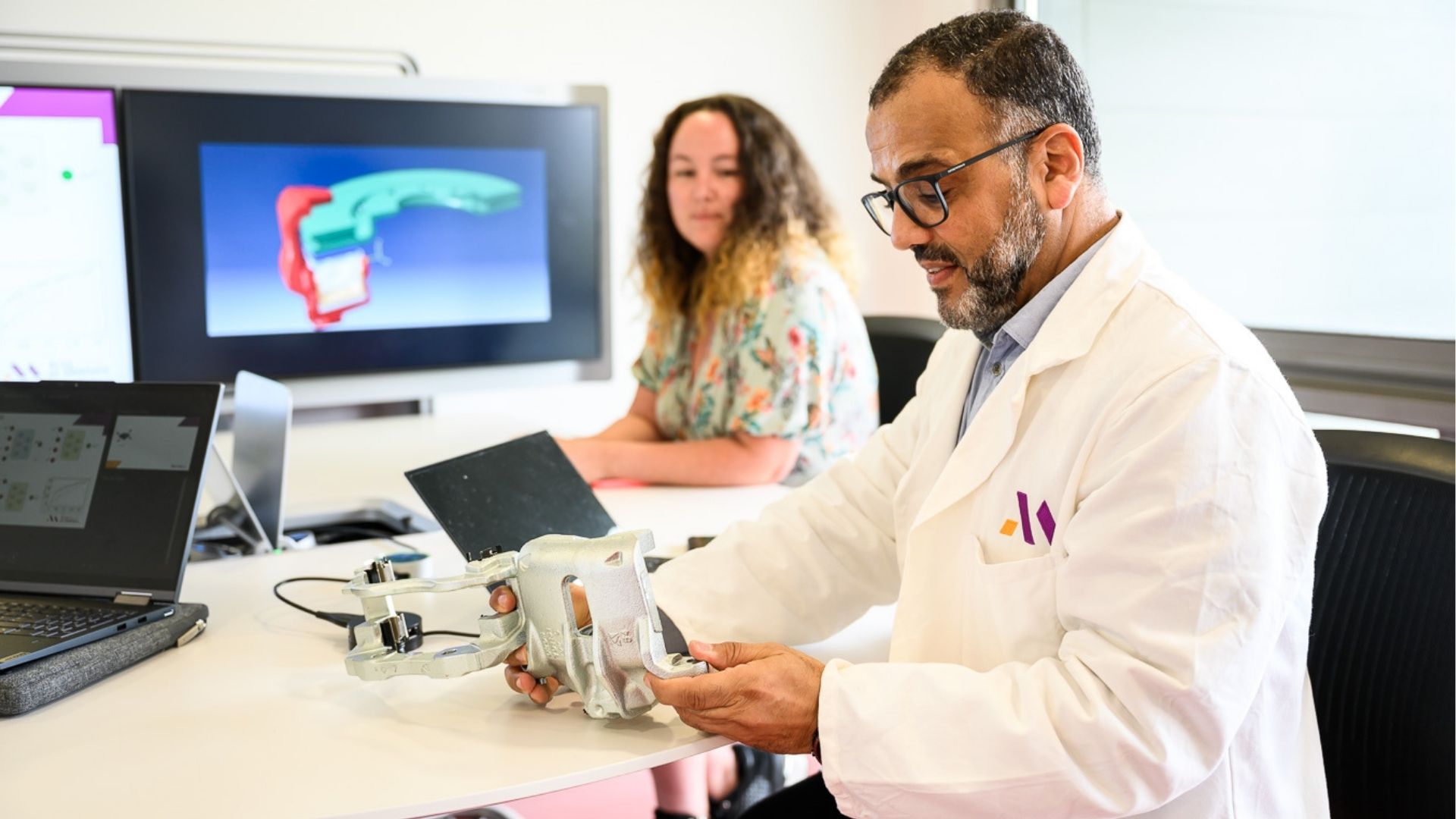
 " We will attempt to predict the properties of these materials by integrating the properties of their constituents and the architecture of their microstructure. To do this, we will perform multiscale analyses, i.e., we will examine their microstructure to predict their properties at the scale of use. " explains Francis Praud, professor and researcher at Laboratory for the Study of Microstructures and Materials Mechanics (LEM3).
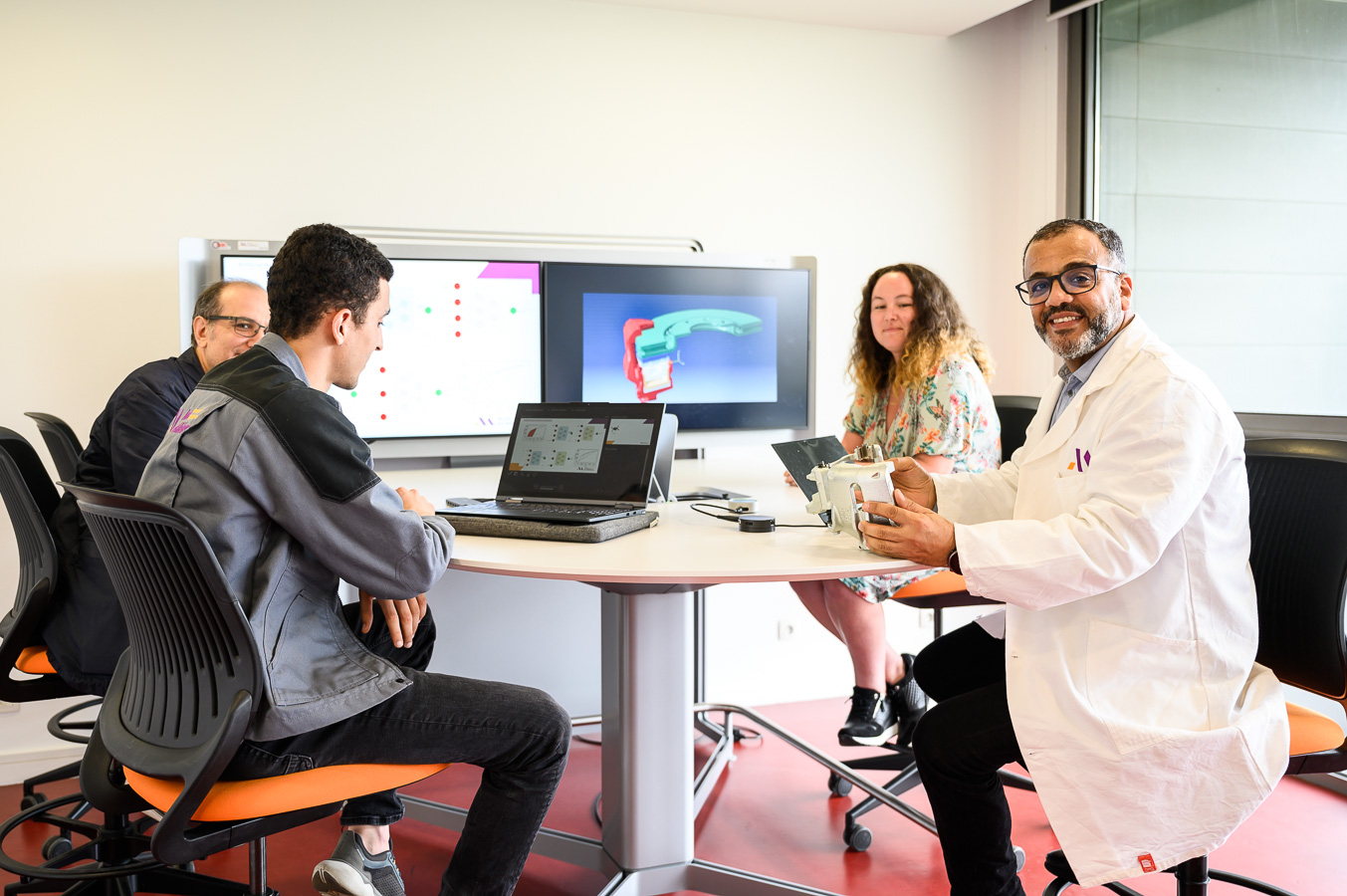 " This is particularly interesting for the automotive industry., continues Fodil Meraghni, who has been working on this subject for 36 years. By helping them understand the mechanical behavior of new composite materials, we enable them to make progress in optimizing and, above all, lightening vehicle structures. "
Finding the best possible combination to meet industrial requirements
In the field of thermoplastic composites, the LEM3 teams possess several skills that are valuable to the industry. Since 2019, these skills have been enhanced by the contributions of artificial intelligence and model reduction techniques with a view to offering frugal and multi-parametric solutions.
Multi-scale modeling, simulation of performance in non-linear conditions
The nonlinear regime corresponds to the phase preceding failure. The LEM3 teams are therefore working to define how a specific material behaves in this phase preceding failure.
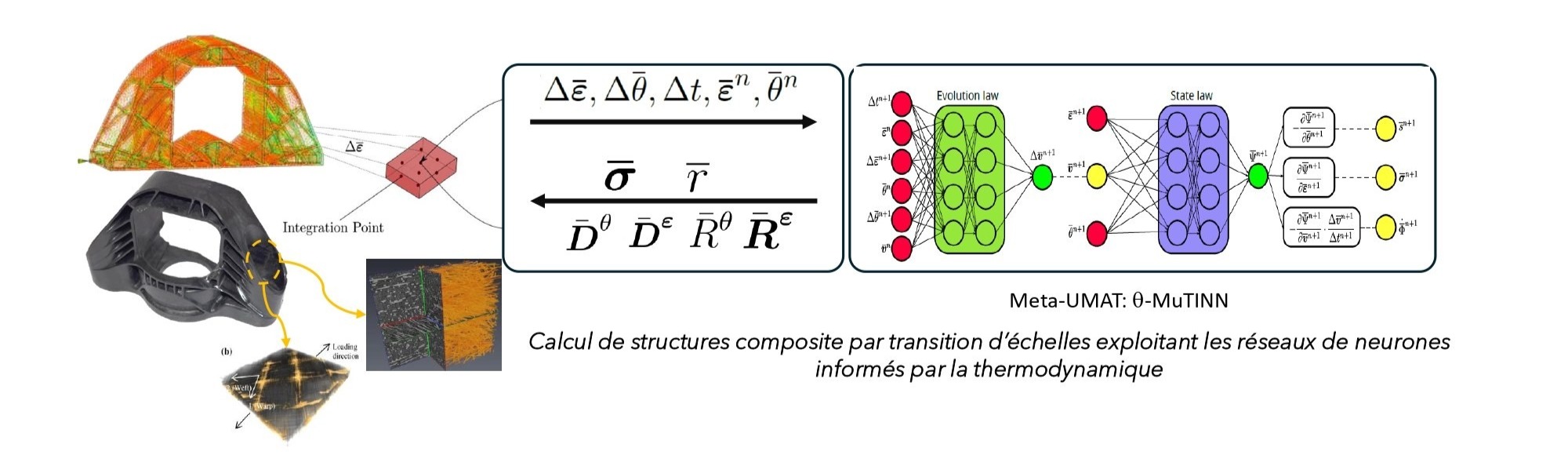
Thanks to international collaborations (USA, Germany, China, Malaysia, etc.) and national collaborations, particularly with other Arts et Métiers laboratories such as PIMM and LAMPA, the models created are now enriched with real-world data. This contribution from Artificial Intelligence, particularly via neural networks informed by thermodynamics, reduces calculation times while maintaining the robustness and high fidelity of multi-scale calculations.
Damage detection, characterization of mechanical behavior
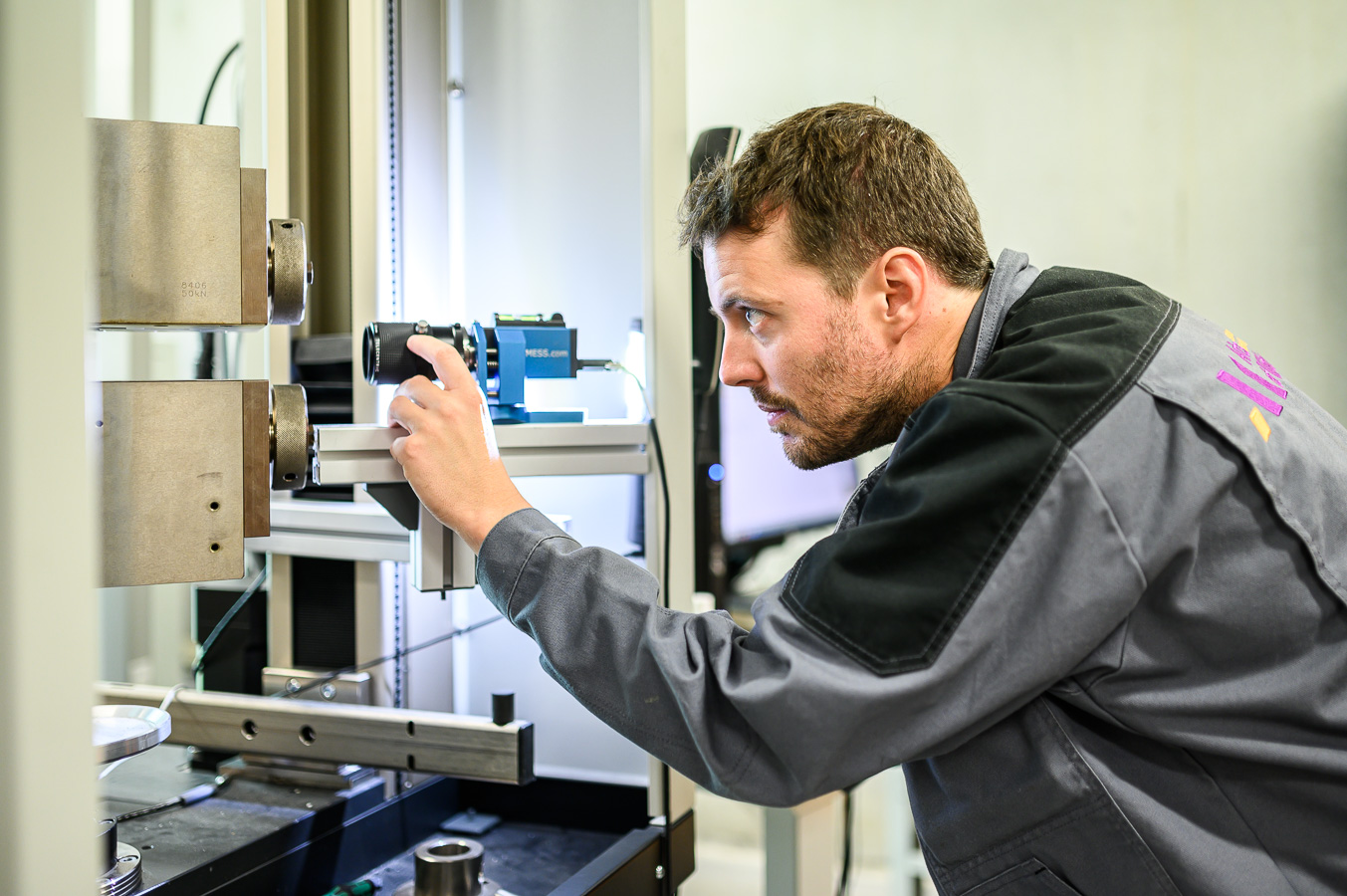
By observing a material subjected to thermo-mechanical stresses, it is possible to predict how it will break. Researchers carry out their observations using several non-invasive methods available on the Metz campus: micro-tomography, ultrasound techniques, and imaging. The results of these tests are also used to feed into the behavior law models.
Thanks to advances in AI, we can now better assess the criticality of damage and its impact on the overall response of a material or even on the performance of a structure in service.
Service life incorporating the microstructure parameters of composites with feedback on the implementation process
Sometimes, manufacturers are undecided about which composite material to choose. In such cases, teams need to find the best microstructure for given properties, i.e., how to orient the fibers, for what type of structure, and with what type of reinforcement.
Next, research continues in the field of crash and/or fatigue performance of this new structure. Researchers can then establish a behavior law that allows parameters to be changed, for example: a different microstructure or the use of a different fiber.
These issues are the subject of specific work with VALEO within the Generative Material Design group, led by Fodil Meraghni, Francisco Chinesta, and Amine Ammar, all of whom are professors and researchers at Arts et Métiers.
Composite materials: two new areas of research
While LEM3's historical expertise lies in thermoplastic matrix composites, other avenues are now being explored, particularly to develop materials that meet the ever-growing challenges of decarbonization in industry.
Recycled composites
A thesis in collaboration with CETIM was defended in early 2025. Supervised by Fodil Meraghni, it explored the possibility of recycling waste from the hydrogen industry to create new composite materials.
Naturally reinforced composites: carbon-free and biodegradable materials
In composite materials, it is possible to use resins and reinforcements derived from natural products. Current research is focusing on a biocomposite material made from PLA, a thermoplastic resin derived from corn, reinforced with flax fibers and manufactured using 3D printing.
 " The goal is to optimize the process to achieve the best possible mechanical properties and durability., explains Stéphane Fontaine, professor and researcher, director of the Metz campus, and leader of the research team in connection with the University of Lorraine. One particular challenge is the porosity of the material, as the manufacturing process tends to promote the formation of air bubbles. "
While biocomposites are already used in industry, those based on long fibers are less common. This process makes it possible to create very specific shapes and to vary the orientation of the reinforcements. Research is underway that could eventually lead to the use of this carbon-free, biodegradable material in small production runs to manufacture replacement parts or orthotics, for example.

In the other laboratory on the Metz campus, the Design, Manufacturing, and Control Laboratory (LCFC), composite materials are being studied from a shaping perspective, particularly with the ELF EPITHER project.
Laboratory for the Study of Microstructures and Materials Mechanics (LEM3)

LEM3 is a fundamental and applied research laboratory in the field of Materials, Mechanics, and Processes.
It is a joint research unit of the CNRS, the University of Lorraine, and Arts et Métiers.