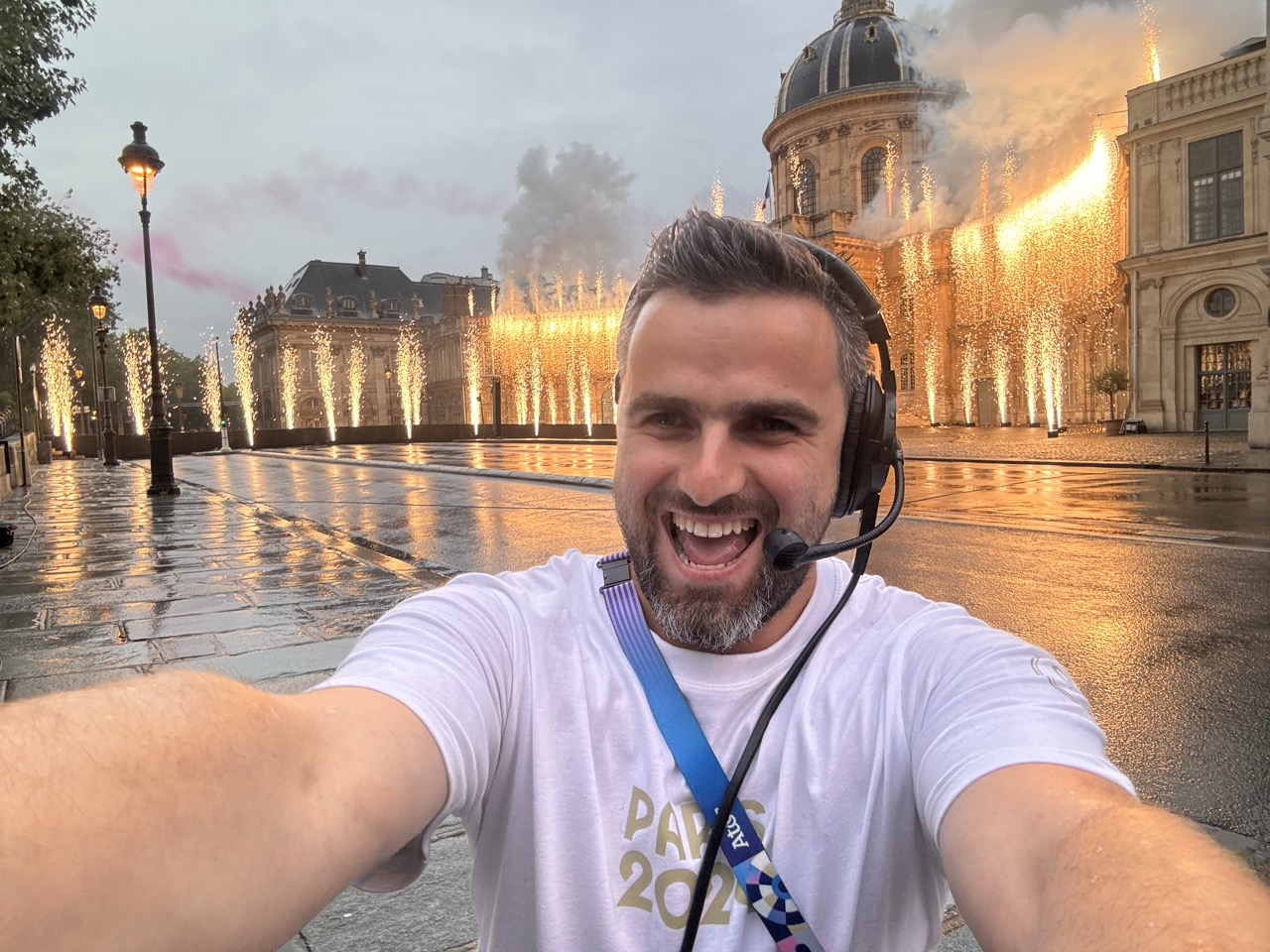
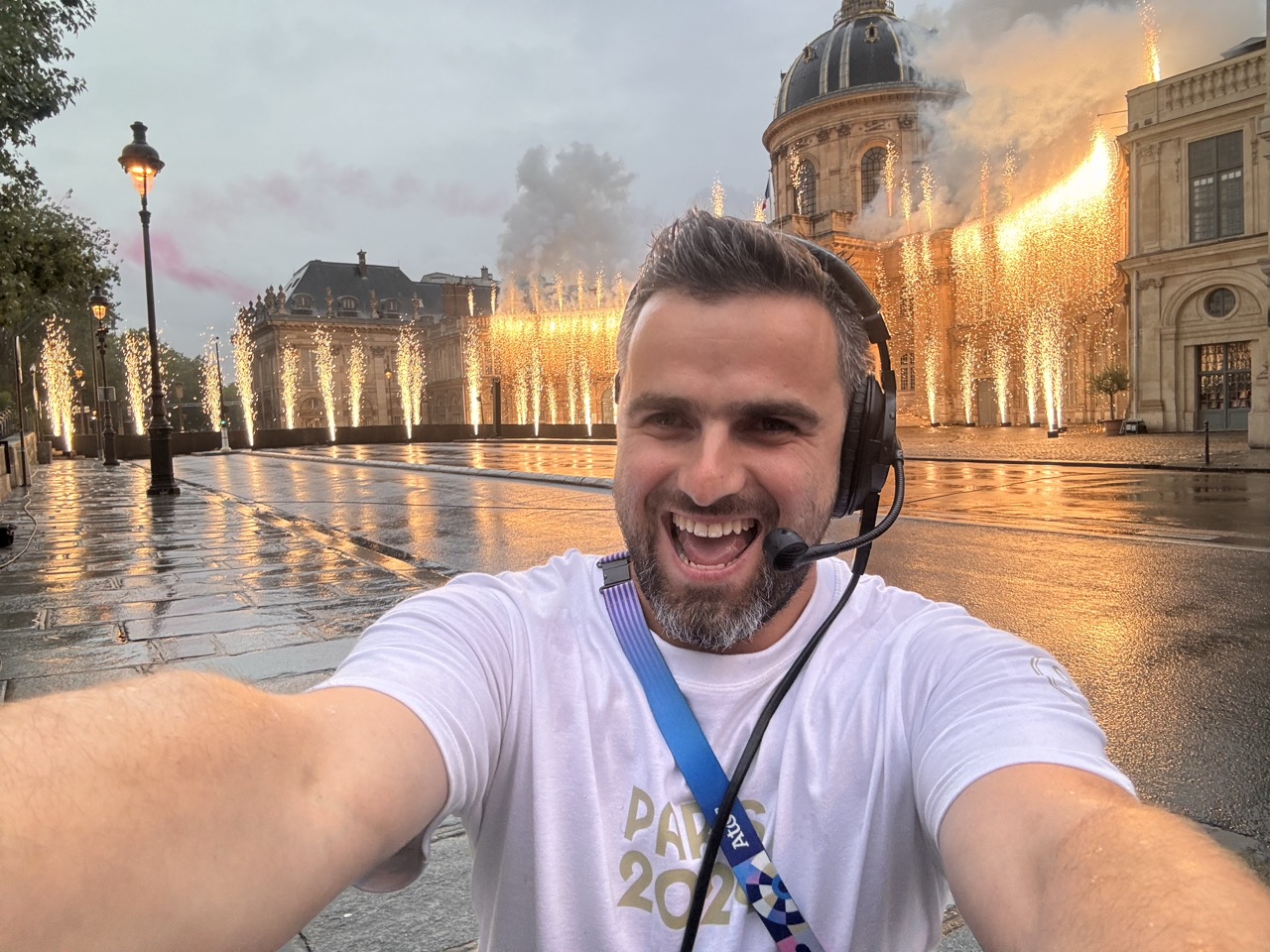
Discover the career path of Olivier Fleurette, a former Arts et Métiers student who helped create and produce the pyrotechnic effects for the 2024 Paris Olympic Games!
When and how did it all begin?
" My work began in April 2023, about a year and a half before the Games, with the Paname 24 teams. This is a group of companies created solely for the Games, and in particular for the organization of the opening ceremonies of the PARIS 2024 Olympic and Paralympic Games.
Through Grand Final, I took charge of several pyrotechnic sequences during the opening ceremony and also during the closing ceremony at the Stade de France with a single goal in mind: to push the technical and artistic boundaries of our creations and achieve the "state of the art" in the field, as someone kindly pointed out to me.
What was your main role in the PARIS 2024 ceremonies?
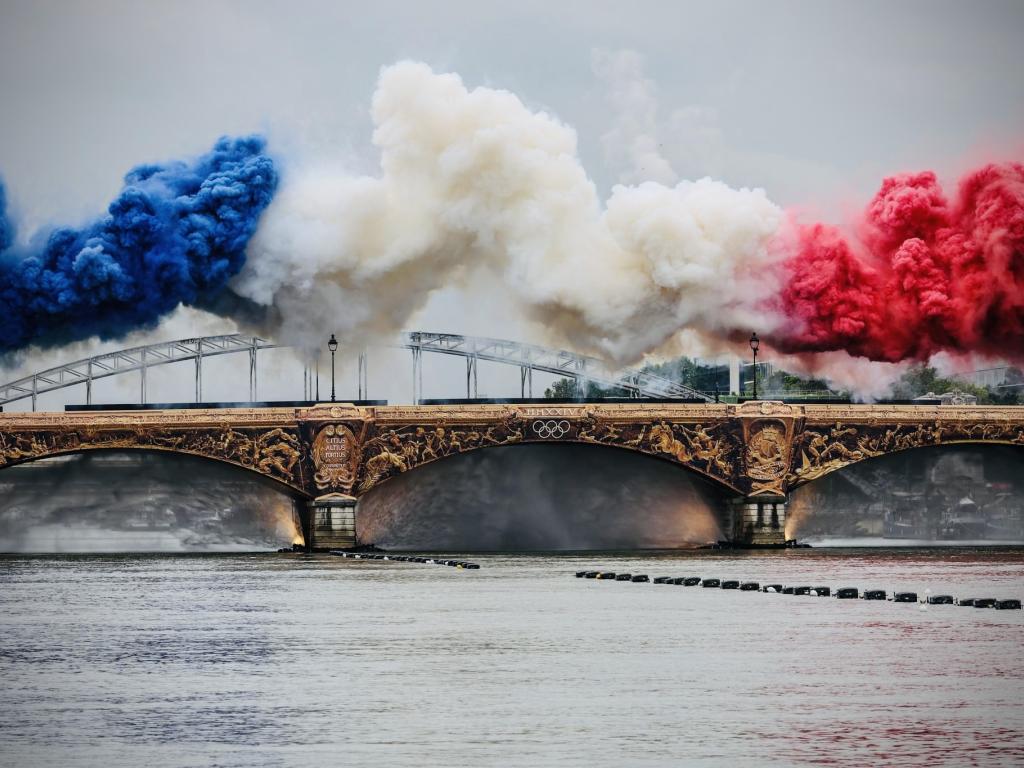
"My role has evolved over time, between engineer, designer, and project manager. Regarding the opening and closing ceremonies of the PARIS 2024 Games, my role focused on creating pyrotechnic effects through the company I work for—Grand Final—and designing the artistic elements, such as the smoke flag on the Austerlitz Bridge.
All of this was achieved by following Thomas Jolly's artistic briefs, creating the technical design and technological development to make it happen.
Thomas expressed his artistic wishes through graphic sketches, then it was up to us to assess their feasibility, come up with a solution that would meet his expectations or find an alternative, and express them using our simulation and drawing tools (AutoCAD).
I treated this entire chain with the utmost confidentiality. Until two months before the opening, the project was secret, and within the company, only a few of us knew about its existence, with only two of us knowing its content. The scale of this event left no room for artistic or technical error. The unique feature, and indeed the difficulty, of this opening ceremony was the size of the stage, or rather the Seine. "
How did your assignments go?
"In the case of the smoke flag on the Austerlitz bridge, we knew that this would be the first image of the ceremony and therefore needed to make a lasting impression. The brief was simple: create curtains like those in a theater to "Open wide these games" (the PARIS2024 slogan) in the colors of France. Initially, the action was concentrated below the bridge for the passage of the boat with the torch—but in the end, the decision was made to create a flag on top. I finally proposed this smoke flag, notably with the double movement. Simulations help to find the right speed, but the real challenge remains the choice of products and the density of the smoke to achieve a single "roll" – that's where the real innovation lies! After several months of studies and tests, we were finally able to present the complete 150-meter-long sequence in the gardens of the Château de Vaux le Vicomte. It was a powerful moment when the dream began to take shape.
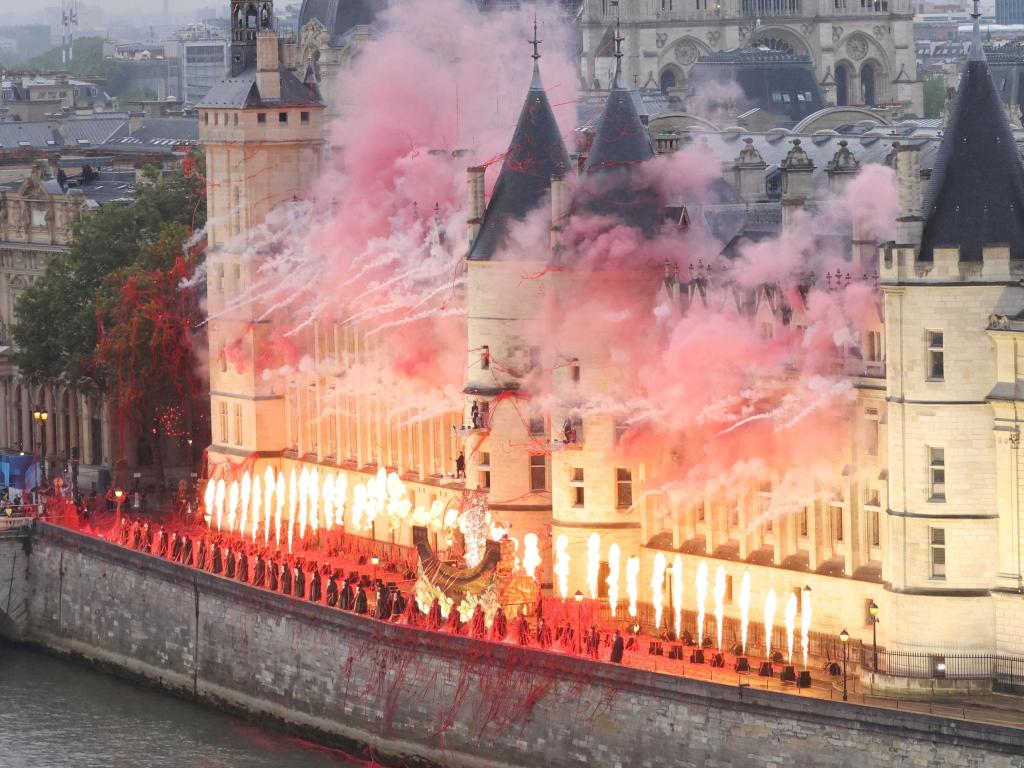
At the same time, Thomas wanted to mark the Conciergerie painting (the "ça ira!" painting featuring Gojira) with an explosion of color from the monument. This was a real challenge, not only artistically but above all technically, as the Conciergerie is a listed historical monument. My work therefore focused on designing confetti cannons specifically for this sequence that could launch 300kg of paper confetti from the facade without damaging it (with recoil effects) or sending it too far to avoid polluting the Seine. No solution existed on the market, so the subject was a great case study. Everything had to be installed from the outside so as not to compromise the high level of confidentiality of the Court of Cassation, which is still active in the Conciergerie. We therefore opted for a 100% wireless and autonomous system to trigger the fireworks and smoke. I also created the pyrotechnic design for this sequence.
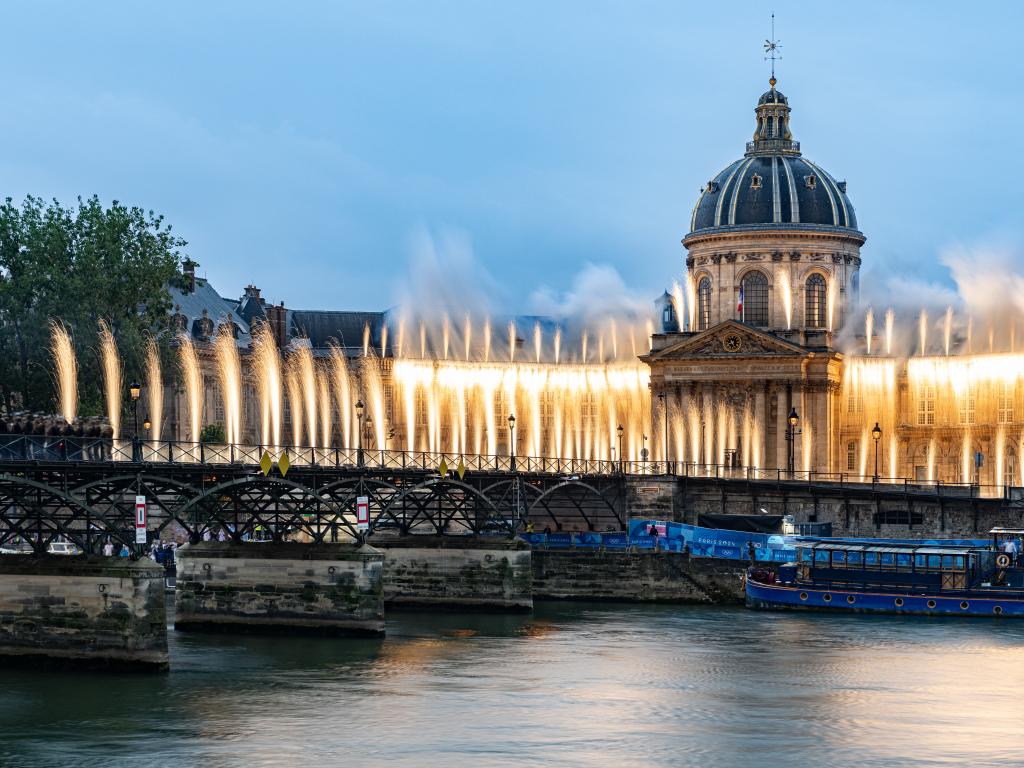
Finally, the third display featuring pyrotechnics was at the Institut de France with the Republican Guard and Aya Nakamura. Once again, our engineering training was an asset in technically defining no less than 350 firing points on the institute's listed facade and on the Pont des Arts. I did the initial design, then the technical implementation of the mounting solutions, and finally the firing. It was the most technically complex site, particularly due to the complexity of the electrical installation and the proximity to the performers.
The on-site installation took place over 15 days with several teams per site. On the day of the ceremony, there were 35 of us managing all these sites, spread out along the Seine, and a time code system triggered and synchronized all the sequences on the orders of the Paris 2024 control center, all within a complex communication and management system.
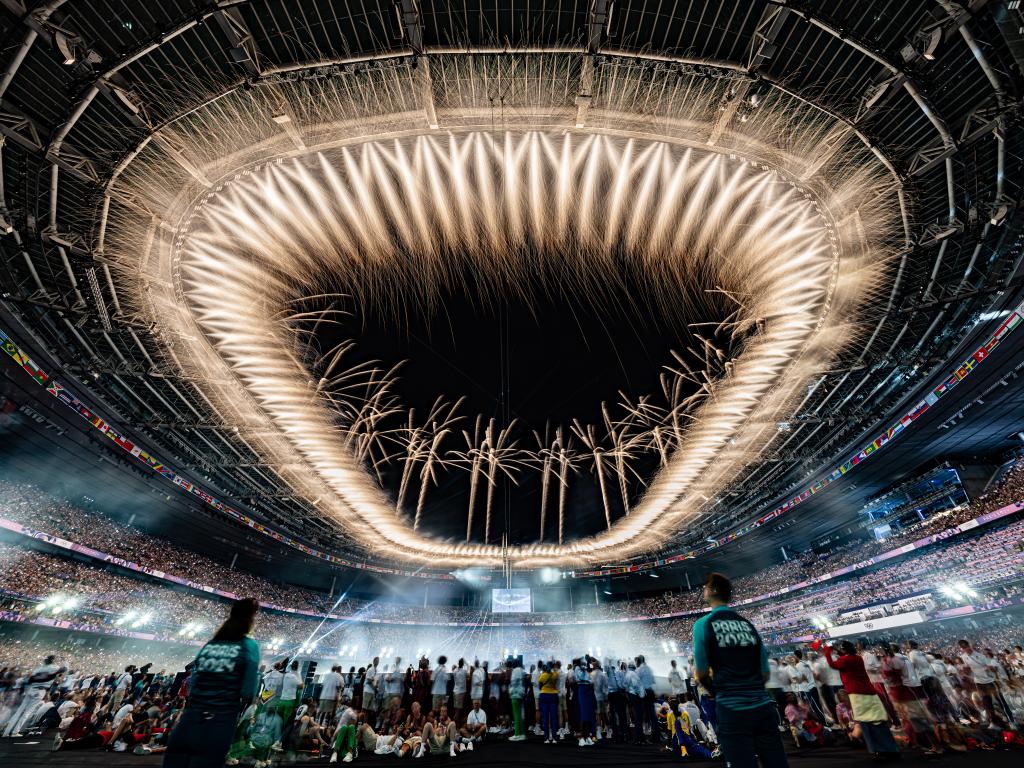
Finally, for the closing ceremony, I also had the role of pyrotechnics designer and project manager. I wanted to use the needles on the roof of the Stade de France as a backdrop for the final pyrotechnics sequence. The challenge was multifaceted because it had never been done before in the history of the stadium, but also because the entire installation had to be completed in a single night, and finally, the stunt performed by actor Tom Cruise imposed enormous constraints in terms of ballistics. The study and calculation of these temporary supports was a very interesting aspect to develop.
How did your Arts et Métiers training help Arts et Métiers with this project?
All of my assignments are a fine example of the unusual opportunities that our school's training program can offer. The arts have given me an open mind, curiosity, and technical skills that allow me to push the boundaries beyond the norm. It also gives a good idea of the outcome of a project that was completely outside the scope of our training but totally related to it, from technical drawing to R&D, the search for technical solutions, budget management, production, team management, and even artistic design. It was comprehensive! A fine example of what Arts et Métiers school allows us to do Arts et Métiers "